
Windrose Boost
Windrose Crafting Guide
Windrose is out in Early Access — and you're already broke. Here's the only currency farming guide that won't lie to your face about how painful it is
To help save you some precious time and make sure you are gathering exactly what you need, here is a friendly guide to the Windrose economy!
Because the game is currently in Early Access, the multi-currency system is still evolving, but understanding how each coin works will help you plan your pirate adventures perfectly.
|
Currency |
Type |
Primary Source |
What It's For |
Current Usability |
|
Piastres |
Trade coin |
Faction trading, quests, loot |
Main economy, merchants, Tortuga vendors |
Fully functional in Early Access |
|
Guineas |
Reward currency |
Buried treasure chests, world quests |
Direct loot rewards, progression |
Fully functional in Early Access |
|
Silver Ingots |
Valuable loot |
Treasure chests, enemy drops |
Trade value, progression material |
Fully functional in Early Access |
|
Gold Coins |
Valuable loot |
Treasure chests, enemy drops |
Trade value, overall progression |
Fully functional in Early Access |
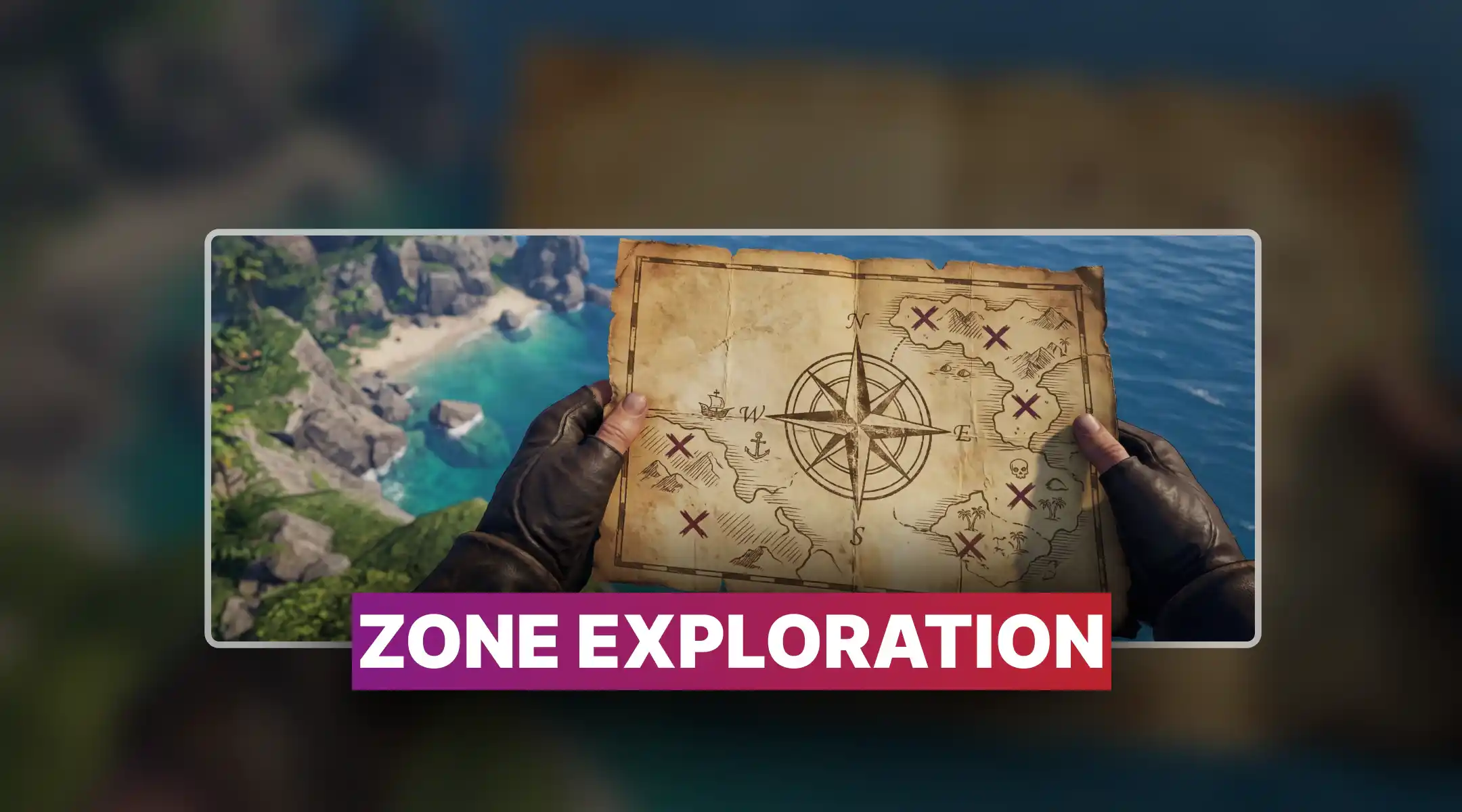
The single most honest money-making method in Windrose is also the most literal: buried treasure hunting. You will craft a shovel, find cryptic environmental clues, and dig until either a chest appears or your dignity does not. The shovel requires 3 Copper Ingots and 10 Wood at a Workbench, meaning you cannot do this immediately on arrival. The game wants you to earn your right to find buried things the hard way first.
The buried treasure system works as follows: explore islands until you find a Traveller's Camp or a similar point of interest. There will be a note or a letter on the ground. Read it. Yes, actually read it. The note will direct you to something mundane and environmental — a tree stump wrapped in a red ribbon, a dead tree with a scarf on it, a wooden stake with a piece of cloth. Dig there. Dig deeply. The game does not highlight anything. There is no glowing indicator. You are a pirate, and pirates, it turns out, are expected to have functional eyes.
Practical note The shovel has four functions: Weapon, Dig, Raise, and Flatten. Use "Z" or "X" to access the Dig command. Treasures are typically two clicks deep. If you are shoveling around the correct area and finding nothing after the second dig attempt, adjust your angle and try adjacent ground. The sparkle effect visible through the dirt is your only friend here.
The first major quest built around this mechanic is Fifteen Men on a Dead Man's Chest. You will find it on your starting island. It is tricky, it will spawn four Drowned enemies on you when you open the chest, and the reward — 4x Silver Ingots, 5x Guineas, and 2x Pearls, plus 50 experience — is completely worth the trauma. Hit-and-run tactics are entirely acceptable against the Drowned. Pride is not a currency.
Certain regions of each island contain a map counter, such as "0/3," indicating the number of undiscovered chests in the vicinity. These caches are frequently hidden in elevated terrain, meaning the game expects you to scan the landscape vertically rather than run around at eye level like an oblivious landlubber. The chests do not announce themselves. You will learn to read terrain like a proper scoundrel, or you will find nothing and complain on the forums. Both outcomes are valid. Only one is documented.
The second reliable source of Guineas farming in Windrose is the world quest system. Side quests and main story missions distribute Guineas, Silver Ingots, and Gold Coins as direct rewards in a way that treasure hunting does not always guarantee. The Early Access build contains three full biomes, each with unique main and side quests, crafting recipes, enemies, and bosses spread across roughly 30 procedurally generated islands with over 90 hand-crafted points of interest. That is a significant surface area for quest rewards.
The journal tracks everything. If you are not using your journal, you are not using the game. Side quests in particular deliver loot rewards that outperform spending twenty minutes hunting for a third buried chest that may or may not exist. Complete the quests. Collect the Guineas. Move on to the next island with slightly more dignity than you arrived with.
On the subject of Contraband: As you raid ships and clear pirate camps, your inventory will fill with items labeled Naval Supplies, Medical Crates, and Contraband. These are not loot boxes. They are trade commodities meant to be sold at dedicated hubs, primarily Tortuga. Do not attempt to open them. Do not eat them. Store them, sail to Tortuga, and exchange them for Piastres like an organized criminal rather than a confused one.
The Windrose Piastres farming meta centers almost entirely on the faction system. Factions such as the Brethren of the Coast and Rogue Buccaneers are not merely flavor. Completing their quests and building reputation unlocks building recipes, trader access, and — more relevantly to this guide — consistent Piastres income. The reputation system is described as "basic" in its current Early Access form, but it is functional, and it is the primary pipeline for recurring currency.
Tortuga itself, now accessible in Early Access, serves as the central trading destination. Vendors in Tortuga buy your commodities and sell equipment, NPC workers, and crafting upgrades. Piastres are what make Tortuga transact in your favor. Neglect your faction standing and Tortuga becomes a very pretty set dressing you cannot actually afford to interact with. Do not let this happen to you.
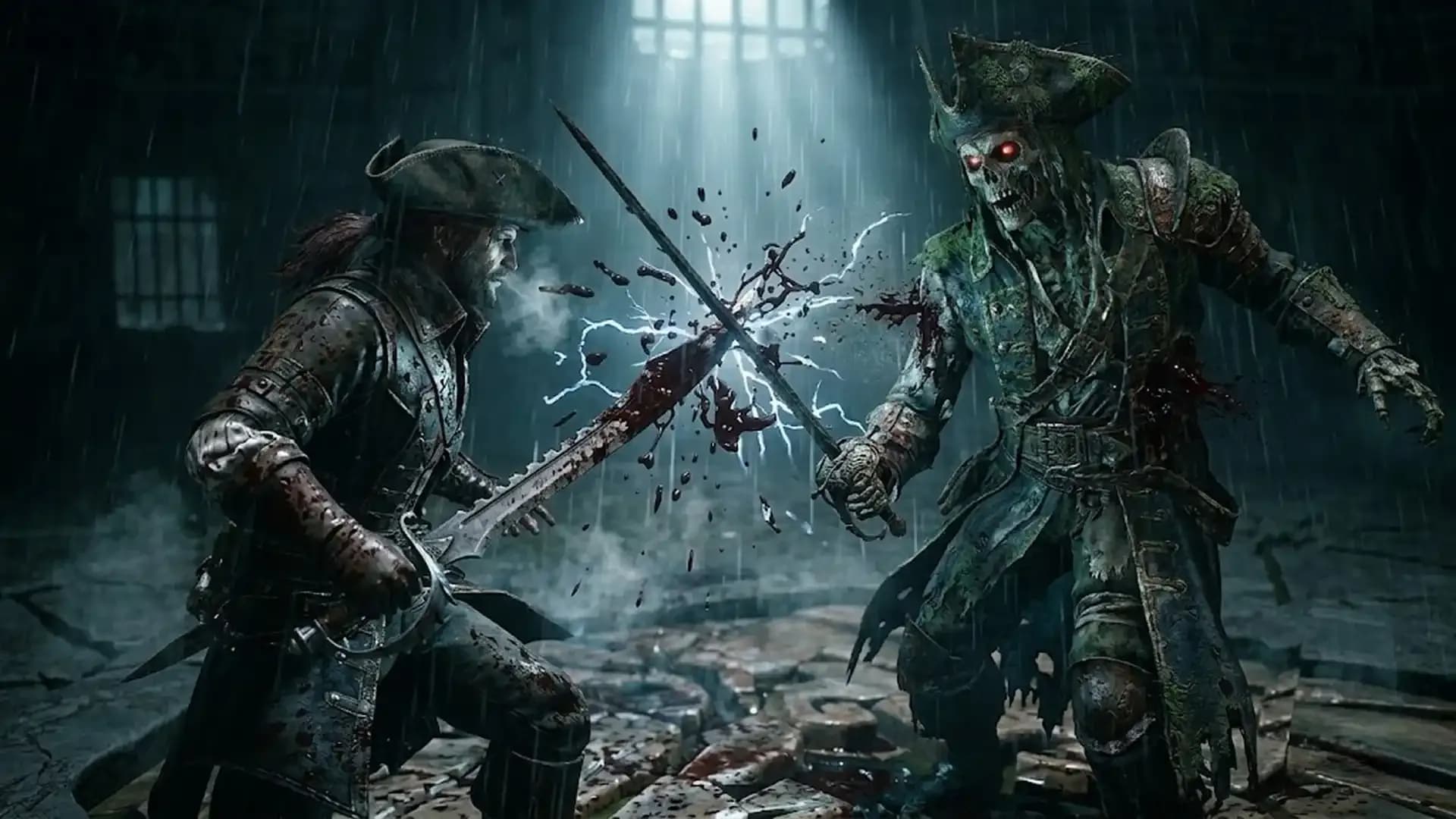
The world of Windrose contains over 90 hand-crafted dungeons, temples, ruins, and shipwrecks. Each has set encounters and loot tables. This is where Silver Ingots and Gold Coins drop with the most consistency and at the highest density. Combat-focused points of interest typically feature up to four chests guarded by wildlife, enemy pirates, or the undead, because Blackbeard is apparently dabbling in necromancy and nobody in this world found that alarming enough to stop him earlier.
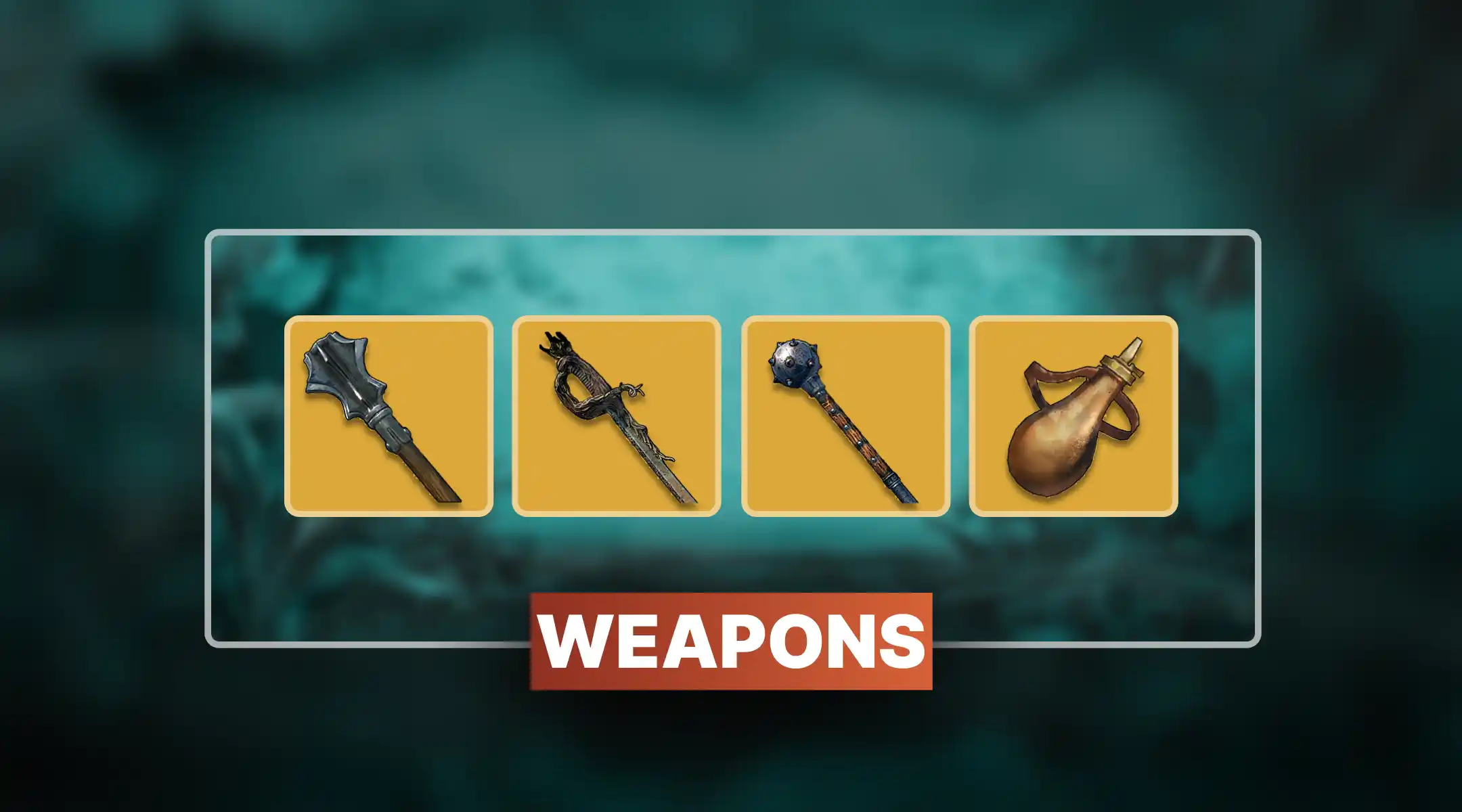
The combat is "souls-lite," which in practice means you need to dodge, parry, and manage stamina rather than spam attacks and hope the numbers work out. Parrying correctly strips shield indicators from enemy health bars and staggers them, opening windows for significant damage. Pistols are powerful but reload slowly. Sabers, rapiers, and two-handers each feel and perform distinctly. The Rapier of a Thousand Cuts, which can be found by digging up a specific buried chest on the starting island, is widely agreed to be one of the strongest early-game weapons. Get it before the game has a chance to make you forget it exists.
Boarding enemy ships in naval combat yields Naval Supplies and Contraband in bulk. This is the fastest way to stockpile tradeable goods for the Tortuga economy. The current naval combat system is described as "unremarkable" in its Early Access state, which means it functions adequately without inspiring devotion. Treat it as a loot delivery mechanism with cannons attached, and it will serve you without complaint.
The following are observations that will save you from performing the same mistake a minimum of three times before realizing it was a mistake. They are presented here as a small mercy in an otherwise unforgiving game.

Windrose is out in Early Access — and you're already broke. Here's the only currency farming guide that won't lie to your face about how painful it is
Windrose is out in Early Access — and you're already broke. Here's the only currency farming guide that won't lie to your face about how painful it is
Windrose is out in Early Access — and you're already broke. Here's the only currency farming guide that won't lie to your face about how painful it is

Windrose is out in Early Access — and you're already broke. Here's the only currency farming guide that won't lie to your face about how painful it is

Windrose is out in Early Access — and you're already broke. Here's the only currency farming guide that won't lie to your face about how painful it is
Windrose is out in Early Access — and you're already broke. Here's the only currency farming guide that won't lie to your face about how painful it is

Windrose is out in Early Access — and you're already broke. Here's the only currency farming guide that won't lie to your face about how painful it is

Windrose is out in Early Access — and you're already broke. Here's the only currency farming guide that won't lie to your face about how painful it is
Windrose is out in Early Access — and you're already broke. Here's the only currency farming guide that won't lie to your face about how painful it is

Piastres are the primary coin. Farm them through faction quests, Tortuga trading, and selling looted trade goods consistently.
Guineas drop from buried pirate treasure chests and specific world quest rewards. Dig more. Complain less.
Both drop from treasure chests and serve as valuable loot for trading and overall gear progression throughout the game.
They cannot be opened or consumed. Sell them to Tortuga traders for Piastres. They are ballast until then, nothing more.
Core systems work. Tortuga is accessible. Faction trading functions. Full economy expands as Early Access continues developing.

GTA 6, new seasons, major updates — get ready to dominate from day one