
Diablo 4 Boosting
Diablo 4 Bloodied Sigils Guide
Mephisto is done monologuing. Diablo 4: Lord of Hatred launches April 28, 2026 with two classes, a new continent, revamped endgame, fishing
The Lord of Hatred release date is Tuesday, April 28, 2026, globally and simultaneously across every platform. The expansion was revealed at The Game Awards on December 11, 2025, where Mephisto appeared on stage in person, presumably uninvited, and declined to use the teleprompter. The release date was confirmed as part of that announcement alongside the Paladin class reveal, which immediately went live for pre-purchasers.
Blizzard originally committed to one Diablo 4 expansion per year. Lord of Hatred slipped into 2026 following a response to the seasonal content model that the development team charitably described as "lukewarm." The team spent the majority of 2025 reworking core systems rather than layering new content on top of unstable foundations, which is the correct decision and also the kind of decision that is easier to make when you have already shipped the first expansion and have a financial runway to justify the delay.
|
Platform |
Pre-Download |
Launch |
Note |
|
PC: Battle.net |
Before launch |
April 28, 2026 |
Paladin available immediately on pre-purchase |
|
PC: Steam |
At launch only |
April 28, 2026 |
Full content at launch |
|
PlayStation 4 / 5 |
Before launch |
April 28, 2026 |
Cross-gen supported |
|
Xbox One / Series X|S |
Before launch |
April 28, 2026 |
Cross-gen; base game on Game Pass, expansion sold separately |
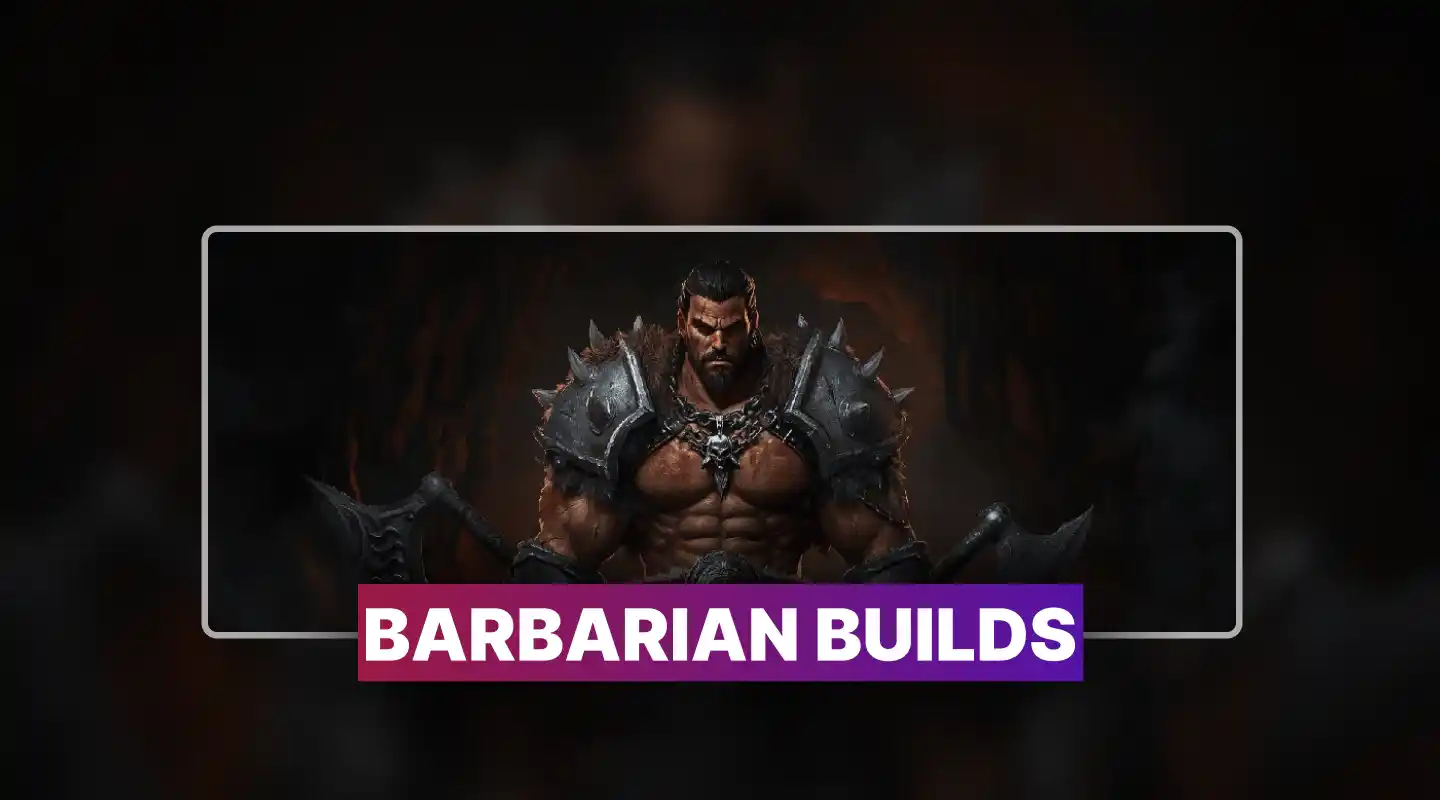
• Fully configured Barbarian
• Maximum endgame efficiency
• Build of your choice and budget
The Skovos Islands Diablo 4 is the new playable region introduced in Lord of Hatred. Skovos has existed in Diablo lore since the original 1996 game. It appeared on world maps in Diablo II. The Book of Lorath sourcebook for Diablo IV placed it prominently on the map of Sanctuary. In thirty years, no player has ever walked through it. Lord of Hatred corrects this, making it the single most overdue piece of geography in franchise history.
Geographically, Skovos spans volcanic western coastline, dense eastern forests, sunken and waterlogged terrain in between, crumbling ancient temples, and occupied towns: a diversity of biomes that contrasts deliberately with Nahantu's uninterrupted wall of jungle. The lore map showed distinct islands: Philios, Lycander, and Skartara. Leaked and subsequently validated map data shows Lord of Hatred presenting them as a single connected landmass with the following confirmed zones and sub-regions:
Confirmed Skovos Zones & Locations: Temis: the marble capital city; bustling epicenter of Skovos; monuments to Lilith and Inarius carved throughout; designed as the post-campaign endgame hub, housing the Horadric Cube, War Plans access, and all major vendors.
Skovos is officially described as "ruled by The Oracle and Amazon Queen," both characters whose relationship and agenda will presumably become significant during the campaign. Enemy types include sinister cultists devoted to Mephisto and "horrors from the sea," which suggests that the Prime Evil's corruption of ocean-adjacent territory produces, specifically, aquatic abominations. The game has always taken the position that whatever the dominant evil is, that evil's aesthetic manifests in the regional ecosystem. This is consistent storytelling, if nothing else.
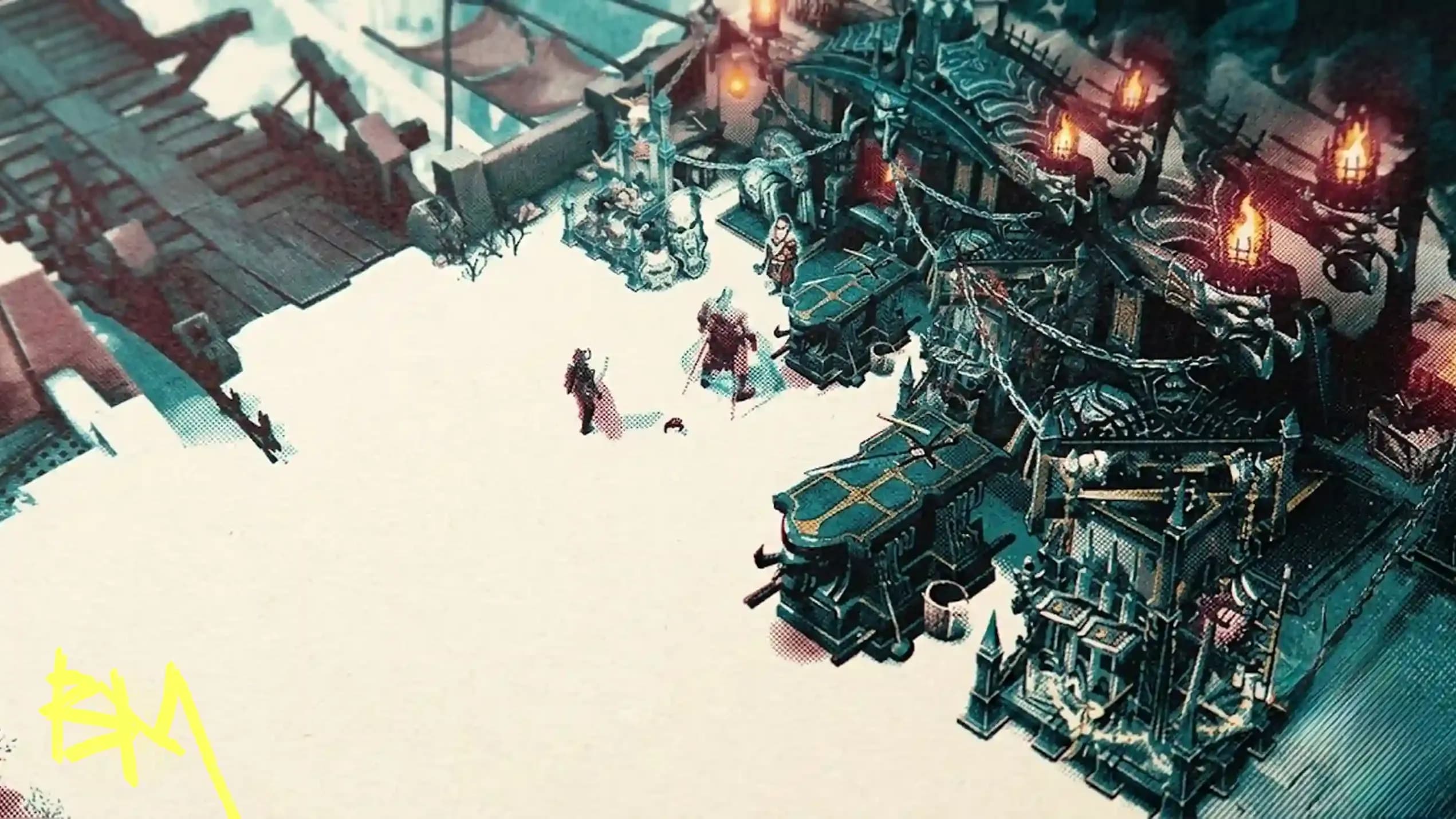
Temis is the expansion's primary hub post-campaign, designed to centralize all endgame access in a single location. Blizzard describes it as featuring "marble edifices, eerie elegance, vibrant craftsmanship, and rich textures," which is unprecedented language for a Diablo hub, where previous urban environments have typically been decorated with corpses, chains, and the architectural preferences of people who believe suffering is a valid design philosophy. Temis suggests Blizzard is willing, at least this expansion, to give you somewhere pleasant to stand between massacres.
Lord of Hatred rebuilds the Diablo 4 endgame 2026 around three principles: choice, escalating mastery, and high-stakes rewards. The free companion patch delivers over 40 reworked skill choices to all eight classes. Expansion owners additionally receive 20 bonus transformative skill variants on top. Everyone gets a new level cap. No one gets to pretend the previous skill tree was complicated: the Associate Game Director publicly called it a "skill twig."
War Plans is a custom playlist system for endgame content. The player selects up to five activities from six available modes, sets the execution order, applies difficulty-and-reward modifiers to each entry, and runs through the playlist as a seamless chain. Completing War Plans earns progression on a unique activity tree that spans all participating content types, including Whispers of the Dead. The system addresses a long-standing complaint: that the endgame's best rewards were locked behind activities players actively disliked, with no alternative path to equivalent progression. Blizzard has, after several years, agreed that this was a problem and built the solution.
War Plans also enables the "infiltration" mechanic: Duriel can replace the Blood Maiden during Helltides; Lord Zir can send Bloodseekers into active Pit runs. These are dynamic encounters seeded into your playlist that reward adaptation. Whether this is exciting or destabilizing depends entirely on how attached you are to the plan you made before the game decided to intervene.
Echoing Hatred is a survival gauntlet activated by finding a Trace of Echoes, described by Blizzard as "hyper-rare." No confirmed drop rates at time of writing. Upon activation, the event presents infinite waves of Mephisto's most powerful forces at escalating difficulty, with fully randomized monster compositions including multiple simultaneous boss spawns. The longer you survive, the better the rewards. This is the endgame's prestige test: the content designed to expose a build's actual ceiling rather than its comfortable operating range.
Once the campaign concludes, Temis: the marble capital city of Skovos: becomes the unified endgame hub. The Horadric Cube is found within Temis. War Plans are initiated from Temis. Echoing Hatred likely departs from Temis. Every vendor, crafter, and system access point concentrates in a single city rather than being distributed across the map. This is Blizzard learning from the navigational friction of previous hubs, and it is the correct lesson to have learned.
Confirmed War Plans Activity Pool (6 Modes) Whispers of the Dead: Pit: Helltide: Nightmare Dungeons: Lair Boss encounters: sixth mode not confirmed at time of writing. Modifiers stack on your playlist selection to increase difficulty tier and reward quality. Each run through a War Plan earns progress on the universal activity tree regardless of which activities were selected.

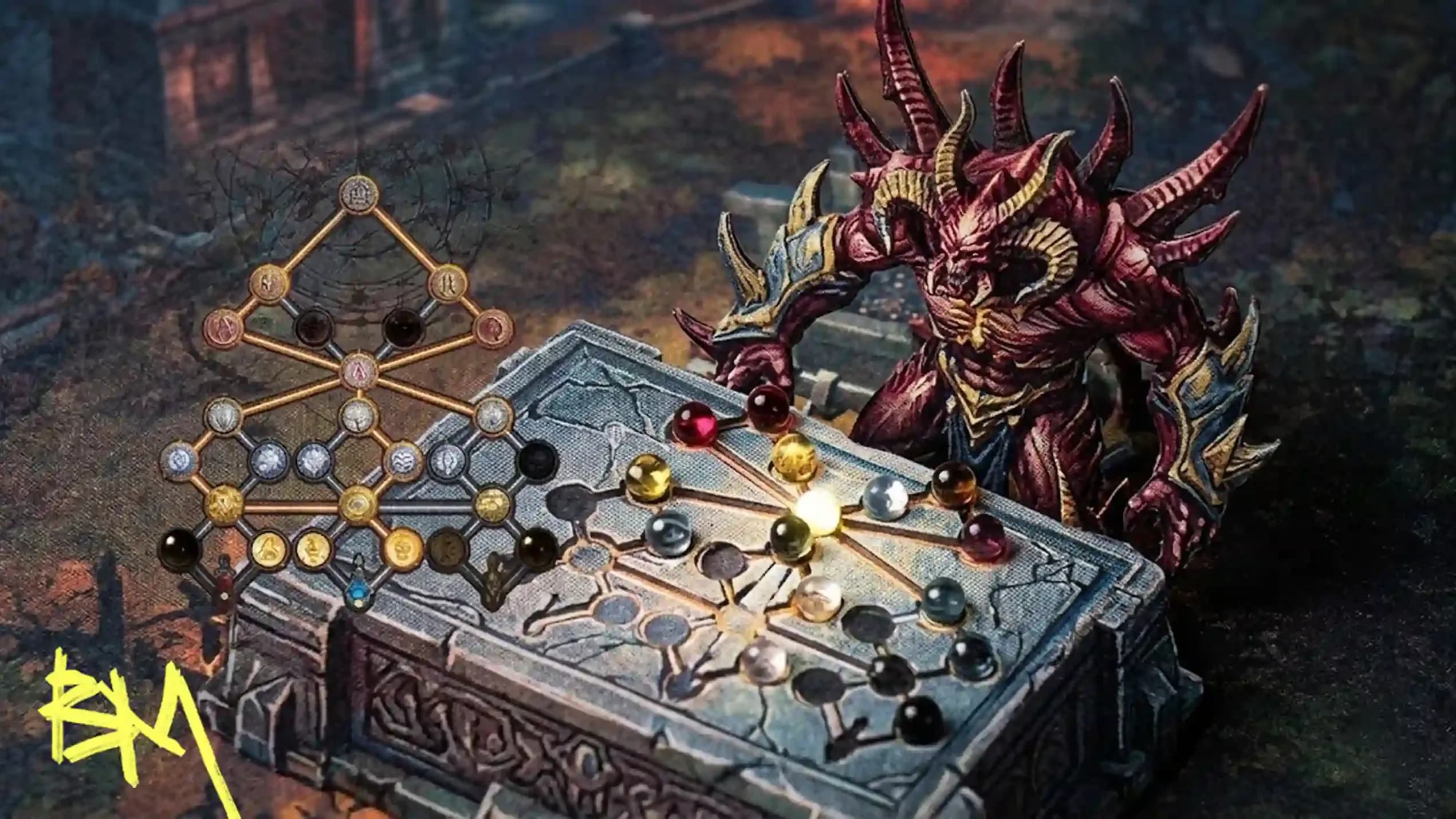
The Horadric Cube Diablo 4 makes its debut in Diablo IV. In Diablo II it was a 2x4 inventory item you used to transmute gems and runewords. In Lord of Hatred it is a system accessed from within Temis, presenting a 4x3 grid UI for item transmutation. The confirmed recipes represent the most direct build-enabling crafting the franchise has ever offered:
|
Recipe |
Input |
Output |
|
Affix Transmutation |
Any item + rare materials |
Random new Affix applied; item rarity upgraded one tier |
|
Affix Removal |
Any item + materials |
Specific unwanted Affix removed |
|
Amalgamation |
Multiple identical items |
Upgraded version of that item |
|
3-to-1 Transmutation |
3 items of the same slot type (e.g. 3 belts) |
New item of that slot type with rerolled stats |
|
Unique Recycling |
3 copies of the same Unique item type |
New version of that Unique with fresh rolls |
|
Common Ascension |
Any Common-rarity item |
Unique of the same item type (targeted crafting) |
The Common Ascension recipe is the expansion's most consequential addition to the crafting system. The ability to take any Common item and transmute it into a Unique of the same type means that, for the first time in Diablo IV, a specific Unique slot can be targeted deliberately rather than farmed passively. The resulting item's rolls are still subject to RNG. Nothing about this franchise has ever promised you good rolls.
• Fully configured Barbarian
• Maximum endgame efficiency
• Build of your choice and budget
The Talisman is a new dedicated equipment slot unlocked by progressing through the Lord of Hatred campaign. Once unlocked, Charms begin dropping from enemies at all rarity tiers. A Charm must be socketed into the Talisman to activate its effect. Set Charms carry the highest potential: equipping multiple Charms from the same set activates escalating Set Bonuses, returning the set item philosophy of Diablo II to the franchise for the first time in Diablo IV. Players have been asking for set bonuses since the base game shipped with zero. They are here now. It took three years. The Charms work exactly like the Diablo II Charm system that veterans have been referencing in every discussion of Diablo IV's itemization since 2023. Whether this is a validation of their feedback or simply the inevitable convergence of franchise design toward proven mechanics is a question with no answer that changes anything.
The Loot Filter launches with Lord of Hatred, available to all players regardless of expansion ownership. It is the most-requested quality-of-life feature the game has ever had. It took three years. The Loot Filter suppresses item drops you categorically do not want, reducing visual noise by a potentially enormous amount depending on how aggressively you configure it. Configure it aggressively.
Diablo 4 fishing is a confirmed, unironic feature of Lord of Hatred. At approximately Level 46, a quest unlocks that provides the player with a fishing rod and marks fishing spots across the Skovos map and reportedly throughout existing Sanctuary zones as well. Bait must be purchased. The catch mechanic is time-based: the longer the delay before a fish takes the bait, the rarer the eventual catch. This is the universal fishing minigame design that has existed in every game to implement fishing since 1996, which tells you that no one has ever improved on it and no one is going to start in a game about beating demons to death with a flail.
What fishing yields mechanically has not been fully confirmed at time of writing. Proposed functions include crafting materials, cosmetics, and what Xbox Wire's official coverage described as "one of the most soothing game features known to man." This characterization was published in promotional materials for a franchise whose primary loop involves standing inside a cascade of disemboweled demons. The dissonance is presumably intentional. The fishing is not parody. These two facts coexist without difficulty in the Diablo IV game design document, and everyone involved seems fine with it.
Every Diablo IV player who does not purchase Lord of Hatred still receives the following with the companion patch on April 28, 2026: a complete Skill Tree rework for all eight classes including new skill variants; a new level cap; and the Loot Filter. Over 40 reworked skill choices ship free across the entire class roster. Associate Game Director Zaven Haroutunian publicly described the previous skill tree as a "skill twig," which is either candid self-assessment or a remarkably effective way to set expectations for the expansion's improvements.
What expansion owners exclusively receive: 20 additional transformative bonus skill variants, the Horadric Cube, the Talisman and Set Bonus system, War Plans, Echoing Hatred, the Skovos campaign, and both new classes. The free-versus-paid split is notably generous on the free side by any reasonable comparison to contemporary ARPG expansion practices. Whether this generosity reflects principle or player retention strategy is, again, a distinction without a practical difference from the player's perspective.

• Fully configured Barbarian
• Maximum endgame efficiency
• Build of your choice and budget
Mephisto is done monologuing. Diablo 4: Lord of Hatred launches April 28, 2026 with two classes, a new continent, revamped endgame, fishing
Mephisto is done monologuing. Diablo 4: Lord of Hatred launches April 28, 2026 with two classes, a new continent, revamped endgame, fishing
Mephisto is done monologuing. Diablo 4: Lord of Hatred launches April 28, 2026 with two classes, a new continent, revamped endgame, fishing
Mephisto is done monologuing. Diablo 4: Lord of Hatred launches April 28, 2026 with two classes, a new continent, revamped endgame, fishing
Mephisto is done monologuing. Diablo 4: Lord of Hatred launches April 28, 2026 with two classes, a new continent, revamped endgame, fishing
Mephisto is done monologuing. Diablo 4: Lord of Hatred launches April 28, 2026 with two classes, a new continent, revamped endgame, fishing
Mephisto is done monologuing. Diablo 4: Lord of Hatred launches April 28, 2026 with two classes, a new continent, revamped endgame, fishing
Mephisto is done monologuing. Diablo 4: Lord of Hatred launches April 28, 2026 with two classes, a new continent, revamped endgame, fishing
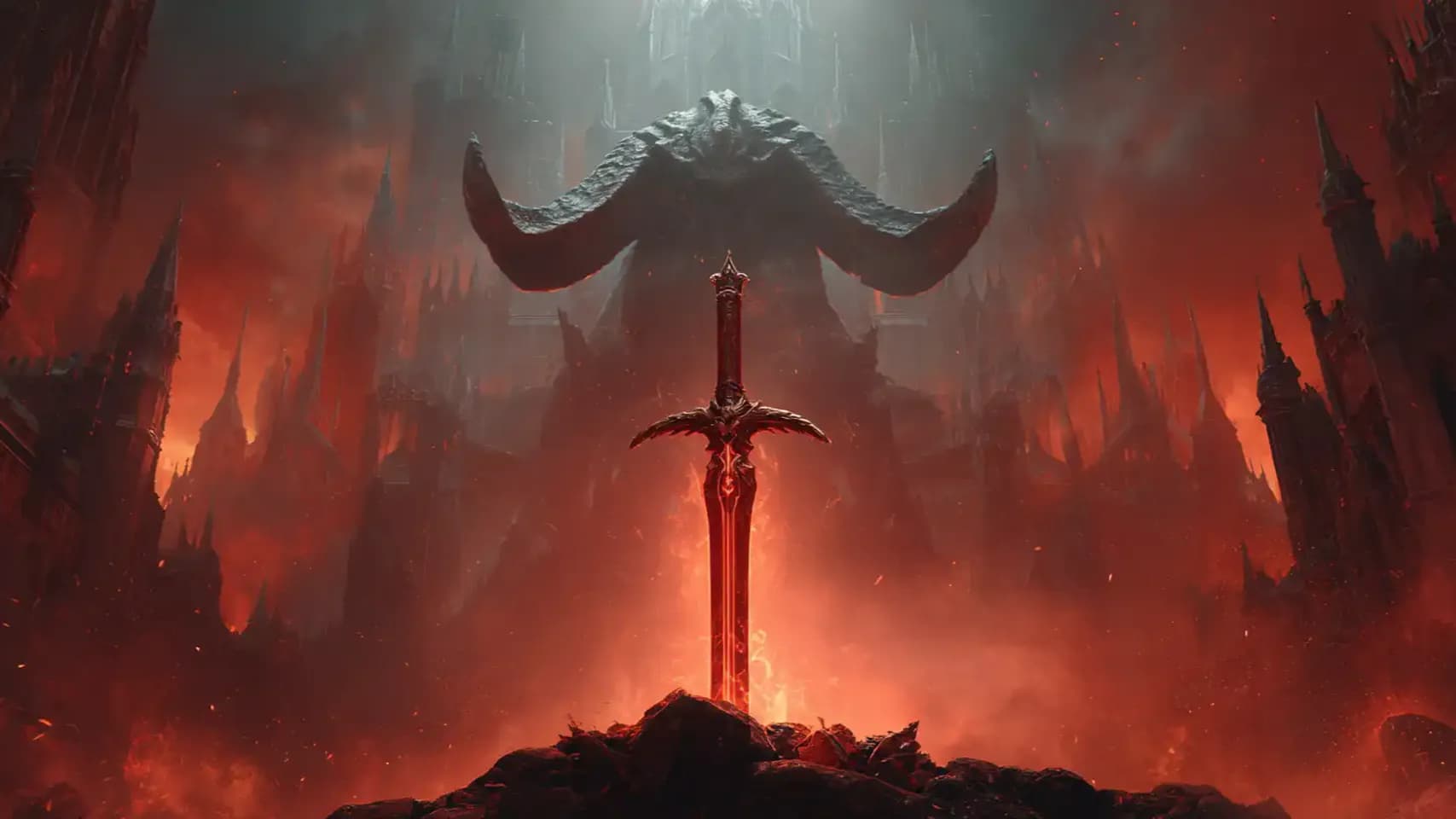
Mephisto is done monologuing. Diablo 4: Lord of Hatred launches April 28, 2026 with two classes, a new continent, revamped endgame, fishing
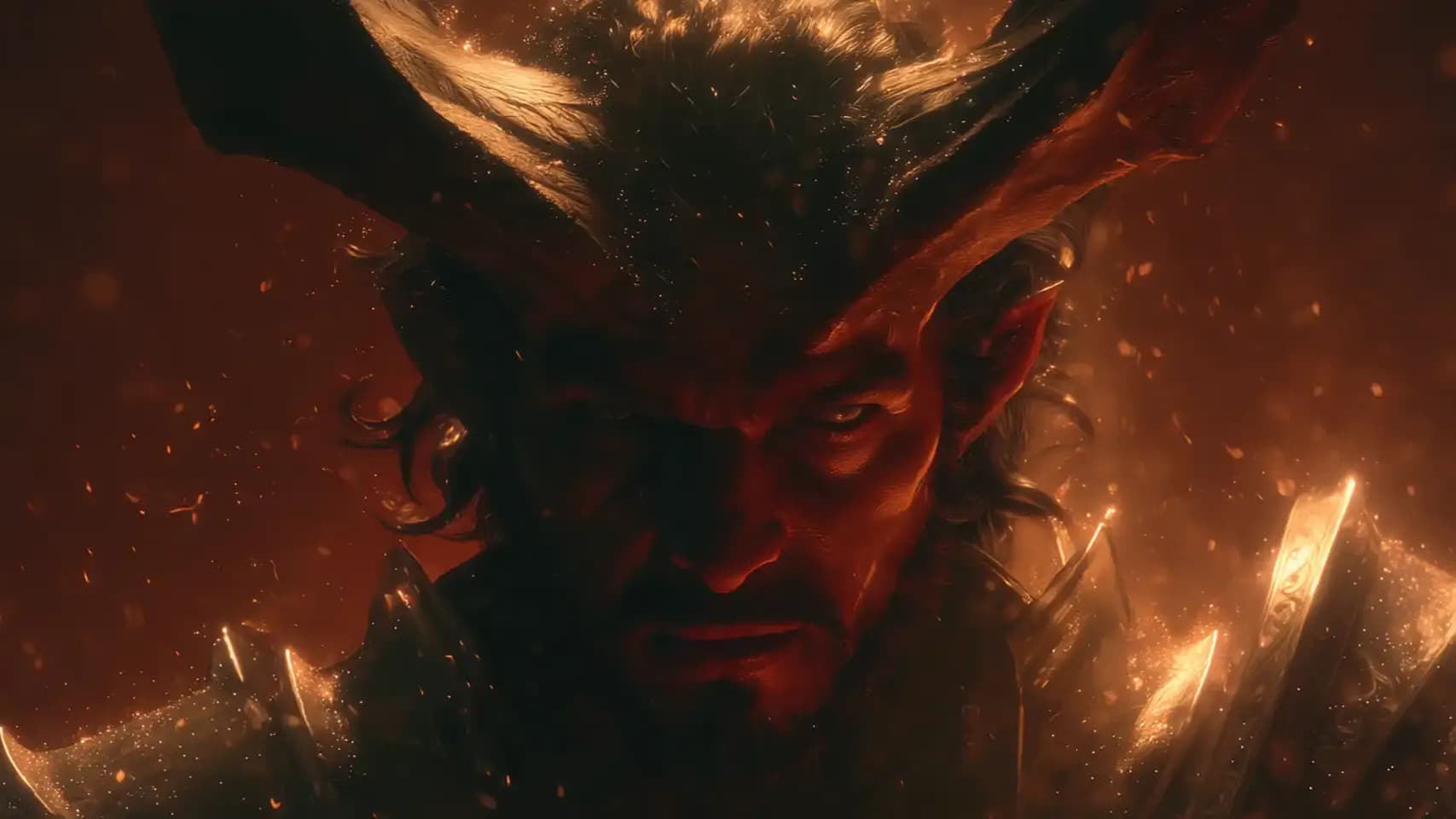
Mephisto is done monologuing. Diablo 4: Lord of Hatred launches April 28, 2026 with two classes, a new continent, revamped endgame, fishing
Mephisto is done monologuing. Diablo 4: Lord of Hatred launches April 28, 2026 with two classes, a new continent, revamped endgame, fishing

April 28, 2026, globally and simultaneously on PC (Battle.net, Steam), PS4, PS5, Xbox One, and Xbox Series X|S. Paladin is already live with pre-purchase.
Paladin: Zealot, Judicator, Juggernaut, Disciple. Warlock: Legion (Ae'grom), Vanguard (Abodian), Mastermind (Taz'rauth), Ritualist (Vollach).
Full Skill Tree rework for all 8 classes, 40+ new skill choices, a new level cap, and the Loot Filter. Expansion owners additionally get 20 bonus skill variants.
4x3 grid UI in Temis with six confirmed recipes including Common-to-Unique ascension, affix transmutation, and 3-to-1 slot-type rerolling. More generous than D2's original.

GTA 6, new seasons, major updates — get ready to dominate from day one