




Arc Raiders Boost
ARC Raiders Arpeggio Guide: The Weapon Nobody Deserves
The Cold Snap update dropped a new Epic loot item and most players are ignoring it. Here is everything about Fossilized Lightning: where it spawns, wh
The Cold Snap update landed quietly and, as usual, the majority of players managed to completely ignore the most interesting thing in it. Tucked inside the 1.7.0 patch notes was a single line: "Lightning strikes sometimes leave behind a valuable item." No fanfare. No tooltip. Just one sentence standing there, waiting to be ignored by people too busy dying to read. Well, congratulations: the item is called Fossilized Lightning, it is Epic rarity, and it will either make you rich or waste thirty minutes of your life. Possibly both.
In the real world, the phenomenon is called fulgurite: what happens when a bolt of lightning hits sand or silica and melts it into twisted, glassy tubes. Embark Studios looked at this geological curiosity and decided it belonged in a looter-shooter. Hard to argue with. Arc Raiders Fossilized Lightning looks exactly like its real-life counterpart: a bundle of shiny, root-like shards jutting out of scorched ground with a subtle orange glow. It does not spawn in containers. It does not drop from enemies. You cannot craft it or buy it. The only source is the sky, and the sky does not care about your schedule.
There is precisely one way to obtain Fossilized Lightning in Arc Raiders and it involves standing outside while the sky tries to kill you. Load into any raid that has the Electromagnetic Storm map modifier active. This is not optional. This is not something you can work around. No storm: no fossils. End of discussion.
Once you're in the storm, lightning will strike the ground at irregular, maddening intervals. After each strike, walk to the scorch mark and look down. If you see an orange glow among the burnt dirt, you have yourself a fragment. If you see nothing but a scorch mark and your own disappointment, move on and wait for the next bolt. The process is: stand near open ground, watch for strikes, check the mark, repeat until extraction or existential despair.
Practical tip: Stay on the edges of the map, away from buildings and points of interest. You want open ground with clear sightlines to scorch marks. You also want to not be inside a building when lightning decides the roof is a valid target.
Some players have noticed that looting charged metal husks: the electrified ARC debris scattered around storm maps: seems to trigger lightning strikes nearby more reliably. Whether this is a genuine mechanic or a beautiful coincidence dressed up as a pattern is unclear. Treat it as a rumor with decent odds. At worst, you get some alloys. At best, you feel like a weather god for ten seconds.
Do not forget: Lightning also hits you. Getting caught in a strike deals significant damage and stuns you. The damage radius extends into the sky, so jumping will not help. You are not clever for trying. The wiki confirmed it.
Most players treat the Electromagnetic Storm event Arc Raiders like a natural disaster to survive rather than a mechanic to exploit, which is their loss and, frankly, your gain. Here is what the storm actually gives you, beyond the opportunity to be struck by lightning:
The storm lasts just over an hour when active, giving you roughly two to three raid sessions depending on how long you push each run. This is not unlimited time. Manage it accordingly.
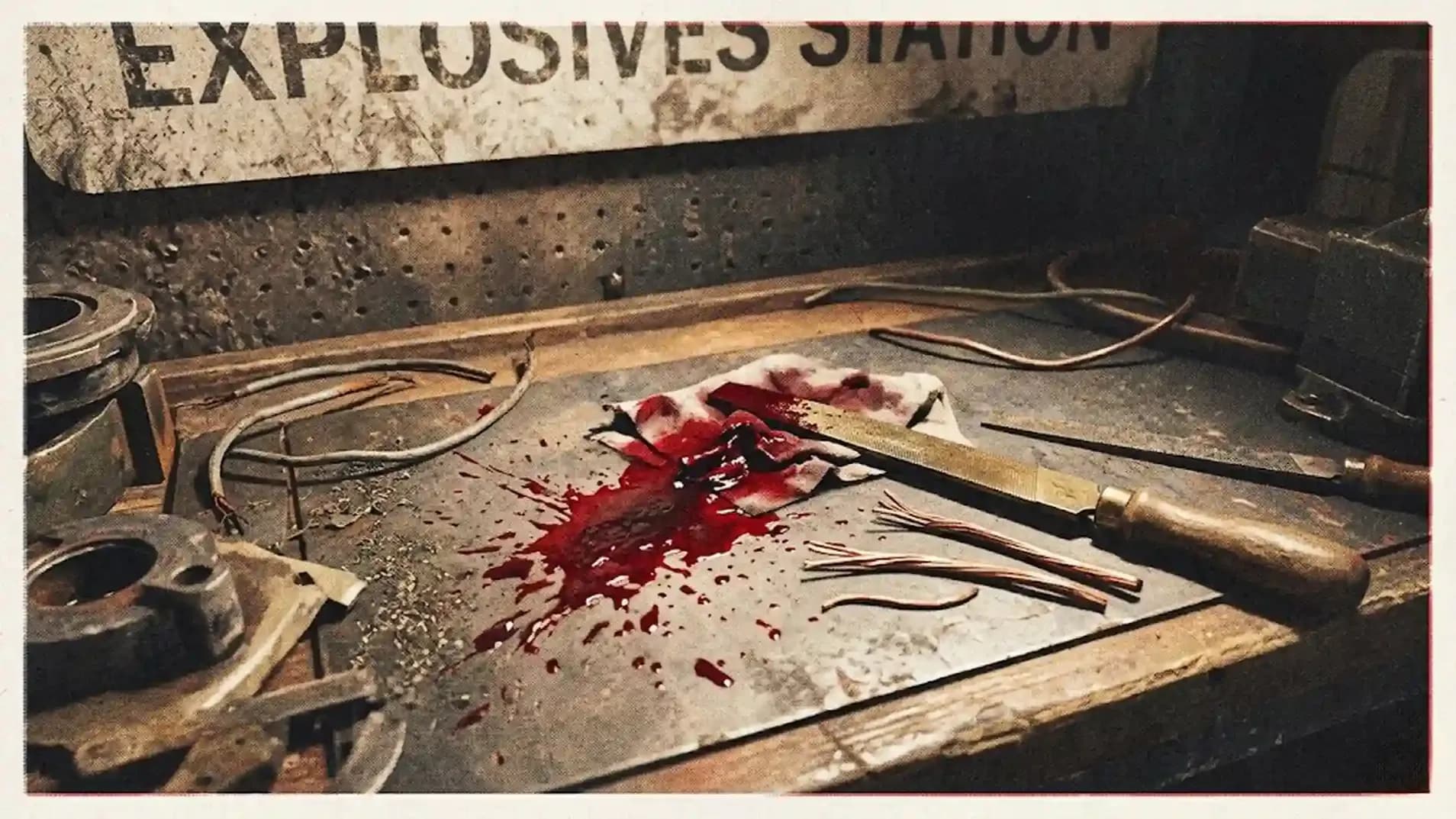
Let us be honest about something: there is no clean, replicable Fossilized Lightning farming method that works every time. The lightning is random. The drop rate is low: approximately one fragment per ten strikes, and ten strikes could take anywhere from three minutes to twenty. The most anyone has gathered in a single raid is four or five pieces. That is 16,000 to 20,000 coins in one run if you extract safely, which is genuinely excellent money. It is also a best-case scenario you should not plan your entire session around.
The correct approach is to treat storm loot optimization as a secondary objective layered onto other tasks. Run trials during the storm. Hunt probes. Farm your usual route. Check scorch marks when lightning strikes near you. Do not stand in an open field for forty minutes staring at the sky like you lost something up there: unless you are determined, have patience, and genuinely need the explosive compounds more than your time. Some people are built like that. This guide does not judge them, but it does pity them slightly.
|
Approach |
Time Cost |
Expected Yield |
Honest Assessment |
|
Dedicated storm run (open ground only) |
30–45 min |
1–5 fragments |
Meditative. Profitable if patient. Infuriating if impatient. |
|
Storm run layered with trials |
30–45 min |
1–3 fragments |
Efficient. Recommended. The adult choice. |
|
Passive pick-up during normal raids |
Minimal overhead |
0–1 fragments |
Basically free money when it happens. |
|
Farming charged metal husks while watching strikes |
Variable |
Unverified bonus |
Possibly better odds. Possibly placebo. Worth testing. |
You have one fragment in your pocket and three choices in front of you, all of which are defensible depending on what you actually need.
Four thousand coins per piece is the high end of what any single item in Arc Raiders commands. If your stash is healthy and you are not building explosives right now, sell it. No shame in turning a sky accident into cash. The Arc Raiders Cold Snap loot economy does not reward sentiment.
One fragment gives you 3 Explosive Compounds from your stash or 2 if you recycle in-raid. For context, one piece of Fossilized Lightning effectively replaces 6 Oil and 6 Crude Explosives in terms of crafting value. If you build bombs and mines regularly, this is a tremendous shortcut. Explosive Compound crafting Arc Raiders is already a grind; this item cuts directly through it.
No current quest, blueprint, or project requires Fossilized Lightning. However, the item was added with apparent intention toward future content: events like Flickering Flames and upcoming blueprints are plausible uses. Holding a few in your stash costs nothing except the anxiety of watching a valuable slot sit idle. Your call. The game has made no promises, and neither does this guide.
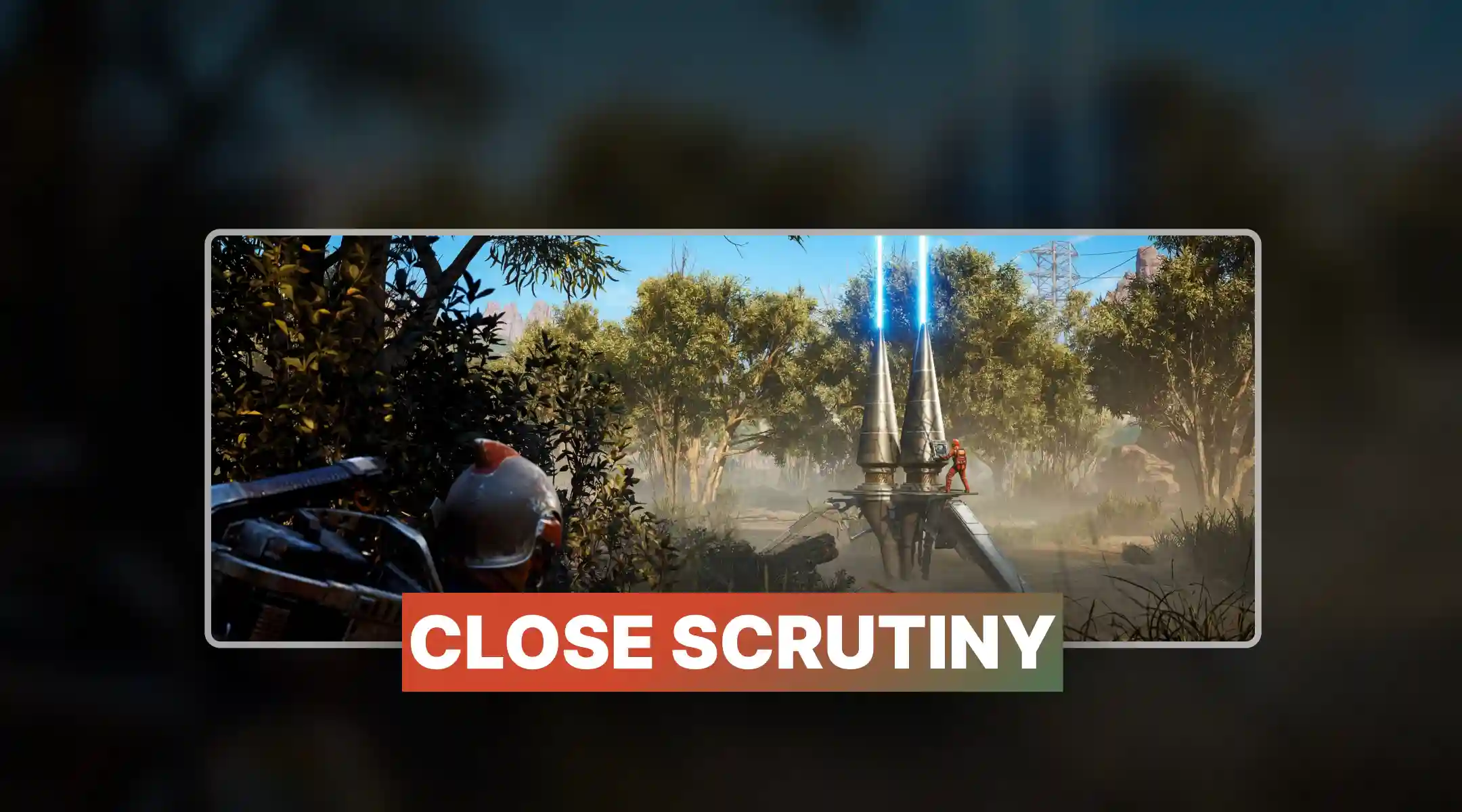
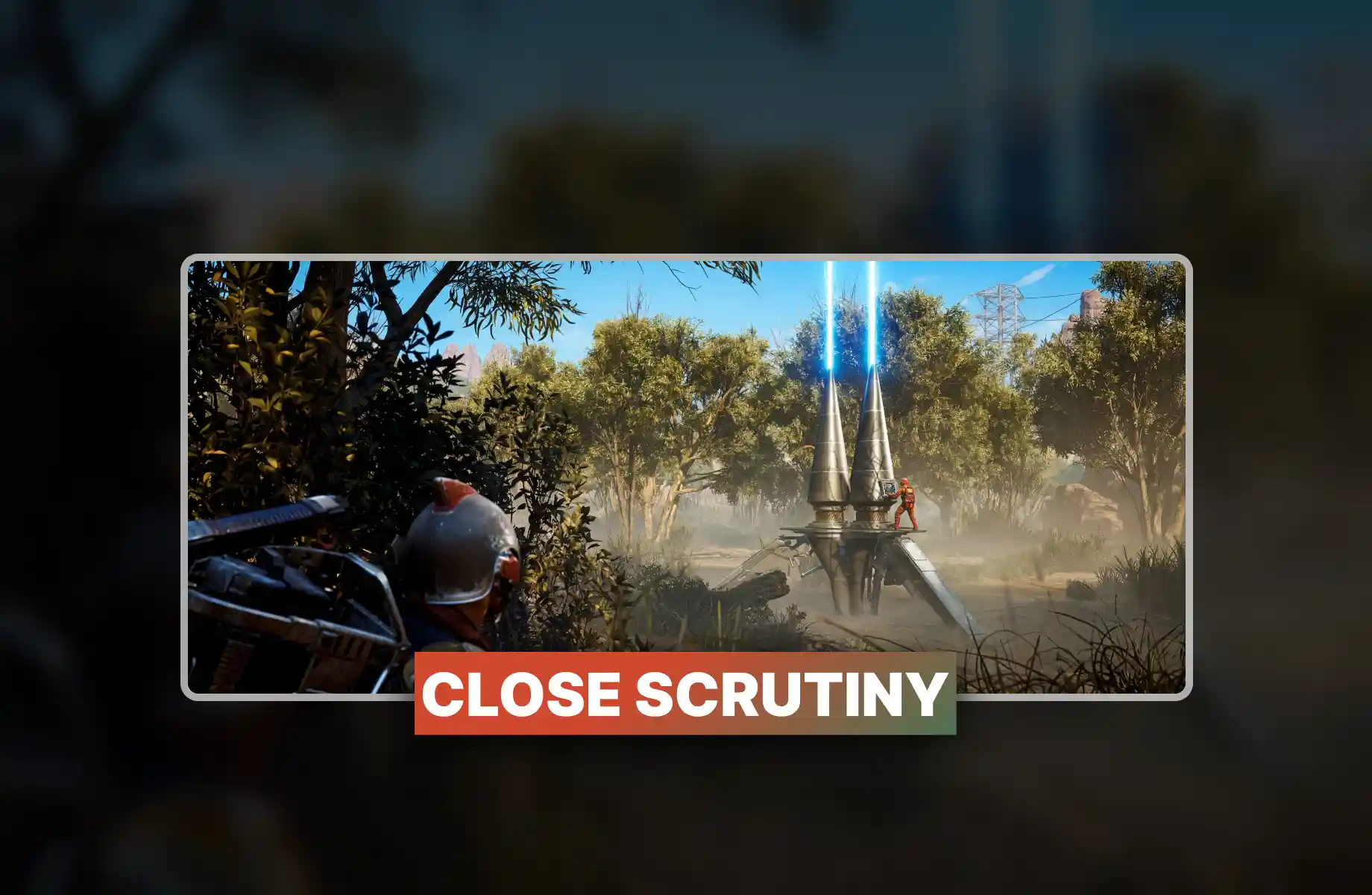
While you are out there collecting your overpriced glassy pebbles, the same lightning that spawns them is also doing something useful to the local robot population. Small ARC machines struck directly are instantly destroyed. Larger units become temporarily disabled: they cannot move or respond to attacks for the duration of the stun. The Bastion, a large ground unit, can be safely approached and climbed during this window. Flying machines like the Rocketeer fall out of the sky entirely.
This means the storm, if you position well, is also a free PvE advantage. The electromagnetic storm ARC Raiders strategy most people miss is using the lightning strikes offensively: bait large units into open ground, let the sky handle them, loot the fragment if it spawns, move on. The storm is not your enemy. It is a tool being used against you because you refuse to learn its rules.
Fossilized Lightning is classified as a provision in Arc Raiders. This matters because provisions count toward the provision bar required for certain expedition completion conditions. If you are grinding the last Arc Raiders expedition requirements and struggling to fill that bar, storm runs solve two problems at once. You get the fragments. You fill the provision bar. The game rewards your willingness to stand in a thunderstorm. That is the closest thing to a hug this title will ever give you.

The Cold Snap update dropped a new Epic loot item and most players are ignoring it. Here is everything about Fossilized Lightning: where it spawns, wh
The Cold Snap update dropped a new Epic loot item and most players are ignoring it. Here is everything about Fossilized Lightning: where it spawns, wh

The Cold Snap update dropped a new Epic loot item and most players are ignoring it. Here is everything about Fossilized Lightning: where it spawns, wh

The Cold Snap update dropped a new Epic loot item and most players are ignoring it. Here is everything about Fossilized Lightning: where it spawns, wh

The Cold Snap update dropped a new Epic loot item and most players are ignoring it. Here is everything about Fossilized Lightning: where it spawns, wh
The Cold Snap update dropped a new Epic loot item and most players are ignoring it. Here is everything about Fossilized Lightning: where it spawns, wh

Only on the ground after lightning strikes during an active Electromagnetic Storm map modifier. Not in containers, not on enemies.
Roughly one fragment per ten strikes on average. Heavily variable. Some sessions yield nothing for twenty minutes, then three at once.
Sell if you need coins. Recycle in your stash for three Explosive Compounds. Holding it for future content is also valid.
Four out of five maps can have the Electromagnetic Storm. The Cold Snap update increased ARC Probe and Courier spawns during these events.

GTA 6, new seasons, major updates — get ready to dominate from day one