


Windrose Boost
Windrose Base Building Guide
Stop sailing in a bathtub. Our Windrose ship guide covers everything: repair materials, fast travel strategy, base setup, and surviving your first nav
Let's not sugarcoat this. You started Windrose paddling around in what can generously be described as a floating plank. The rowboat served its purpose: it confirmed that yes, water exists, and yes, you can cross it: but the archipelago is not going to explore itself while you row at the speed of continental drift. At some point during your aimless meandering, you spotted a wrecked ship on a distant island. That, dear captain-in-training, is your Windrose pirate ship guide destination, and the game's polite way of telling you to stop embarrassing yourself.
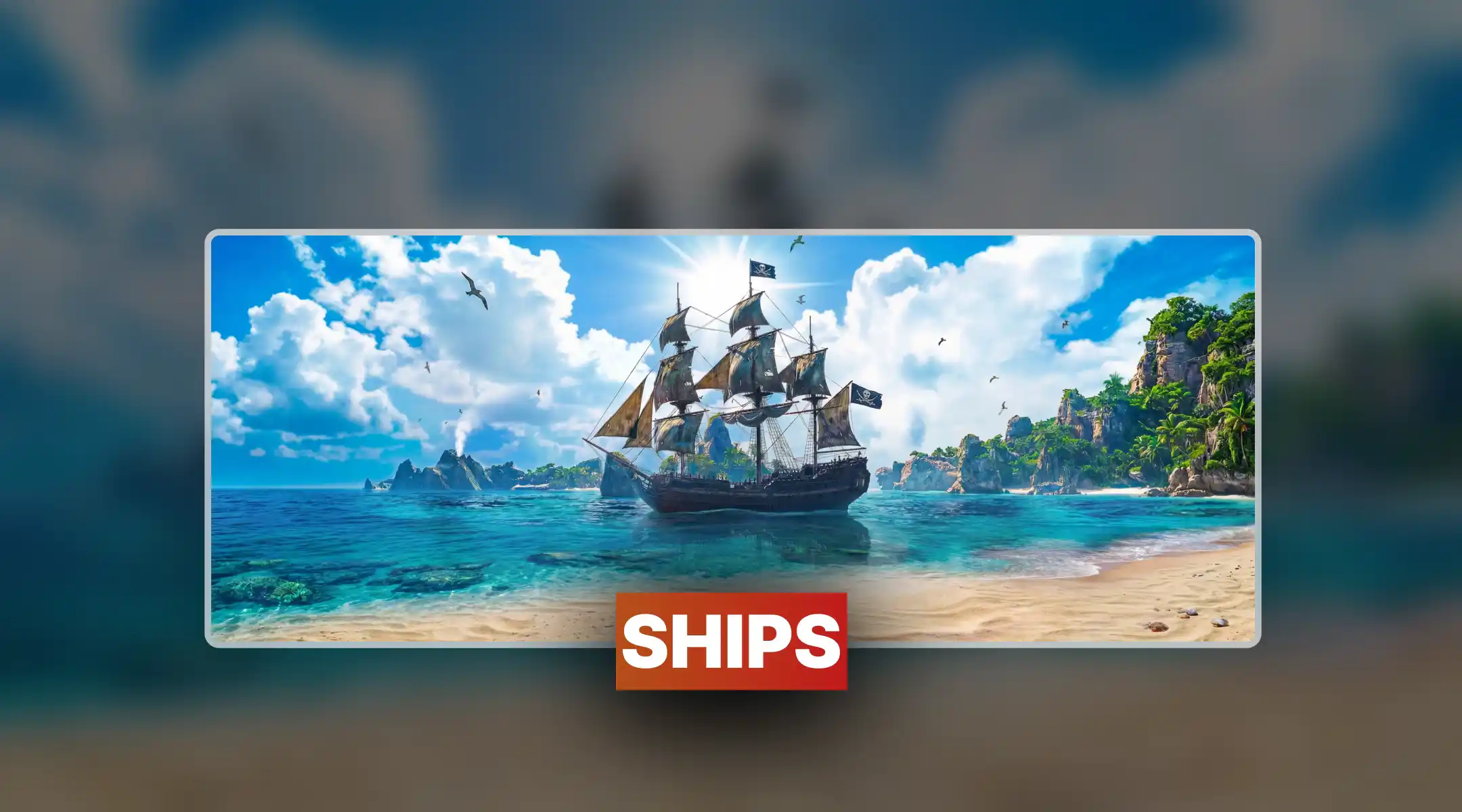
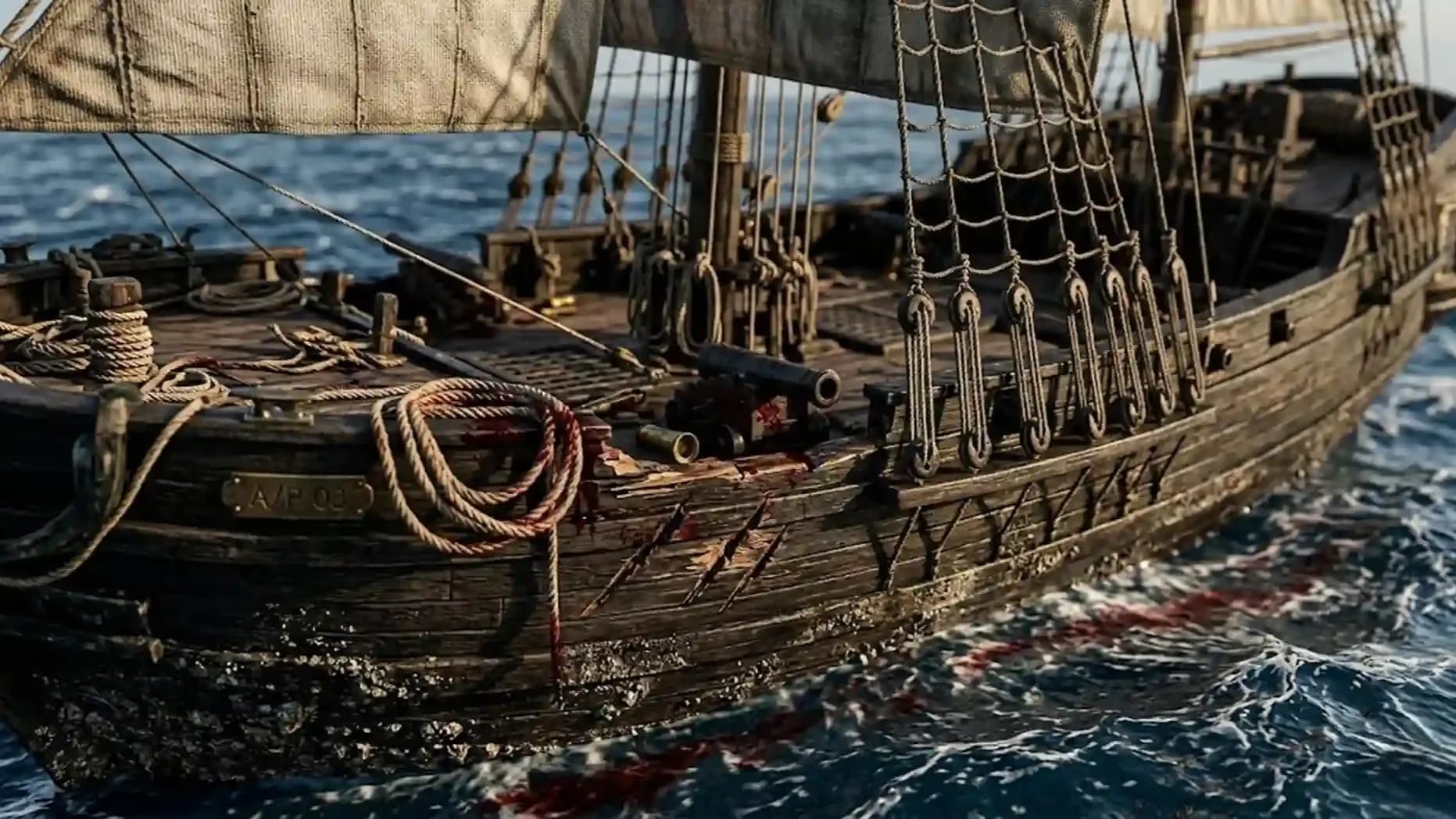
The shipwreck in question is a frigot: the game misspells it, but you are not here to proofread: sitting wrecked on the eastern side of the archipelago. It will not fix itself. It will sit there, magnificent and ruined, judging you every time you row past it in your pitiful dinghy. Fortunately, fixing it requires exactly the kind of supplies a reasonably competent person could gather, which means there is still hope for you.
Repairing the shipwreck requires four categories of materials that the game calls a "Quest Repair." Before you row over there smelling of ambition and low-tier wood, make absolutely sure you have all of this in your inventory. The ship will not accept partial effort, much like Windrose boost.
|
Material |
Amount Required |
Where to Find It |
Notes from Someone Who Watched You Fail |
|
Wood |
100 |
Every tree on every island. Yes, all of them. |
Cut the stump too. Every piece counts when you're this desperate. |
|
Nails |
20 |
Shipwrecks, barrels, boxes, and dead pirates' pockets |
Can also be crafted from iron. You probably don't have iron. Start looting. |
|
Cloth (listed as "Clothes") |
20 |
Crafted from plant fiber at a workbench |
The game calls it "clothes." It means rough cloth. It's a typo. Move on. |
|
Rope |
10 |
Crafted from plant fiber. Also used for rappelling into caves you are terrified of. |
You have more than enough rope. You probably already know this. |
Once you interact with the wreck carrying all four materials, the quest completes immediately. The game doesn't make you actually hammer anything. That would require game developers to trust players with basic carpentry animations, and nobody has time for that in Alpha.
Before you sail to the shipwreck island, set up a fast travel bell Windrose at your home base. This is not optional. This is the single most important quality-of-life decision you will make outside of learning to eat food before a fight. A fast travel bell requires 20 lumber and one bell, and can only be placed in shallow water along the shore. It must be in water: too deep and it refuses to cooperate, too shallow and same result. Find the exact mediocre depth the game demands and place it there.
The mechanic is simple: open any bell to see all other bells on the map, click your destination, and arrive there instantly. The game transports you and your little rowboat together, like a pirate Uber where you are both the driver and the cargo. Once you repair the frigot, you can call your new cutter directly from a bell location: press 'K' to summon your starter boat at any time, and eventually use the same system for your larger vessel.
Place a fast travel bell at your home base before sailing to the ship. Then place a second bell at the shipwreck island. This gives you instant round-trip capability, which you will need constantly because you will keep forgetting things at home.
Set a bell at every new island you visit. The long-term goal is a network of bells across the entire map so you can jump between locations without the sailing theatre. You will need a significant amount of copper to make multiple bells, which conveniently is also the material you need for everything else. Copper is Windrose's version of "the problem."
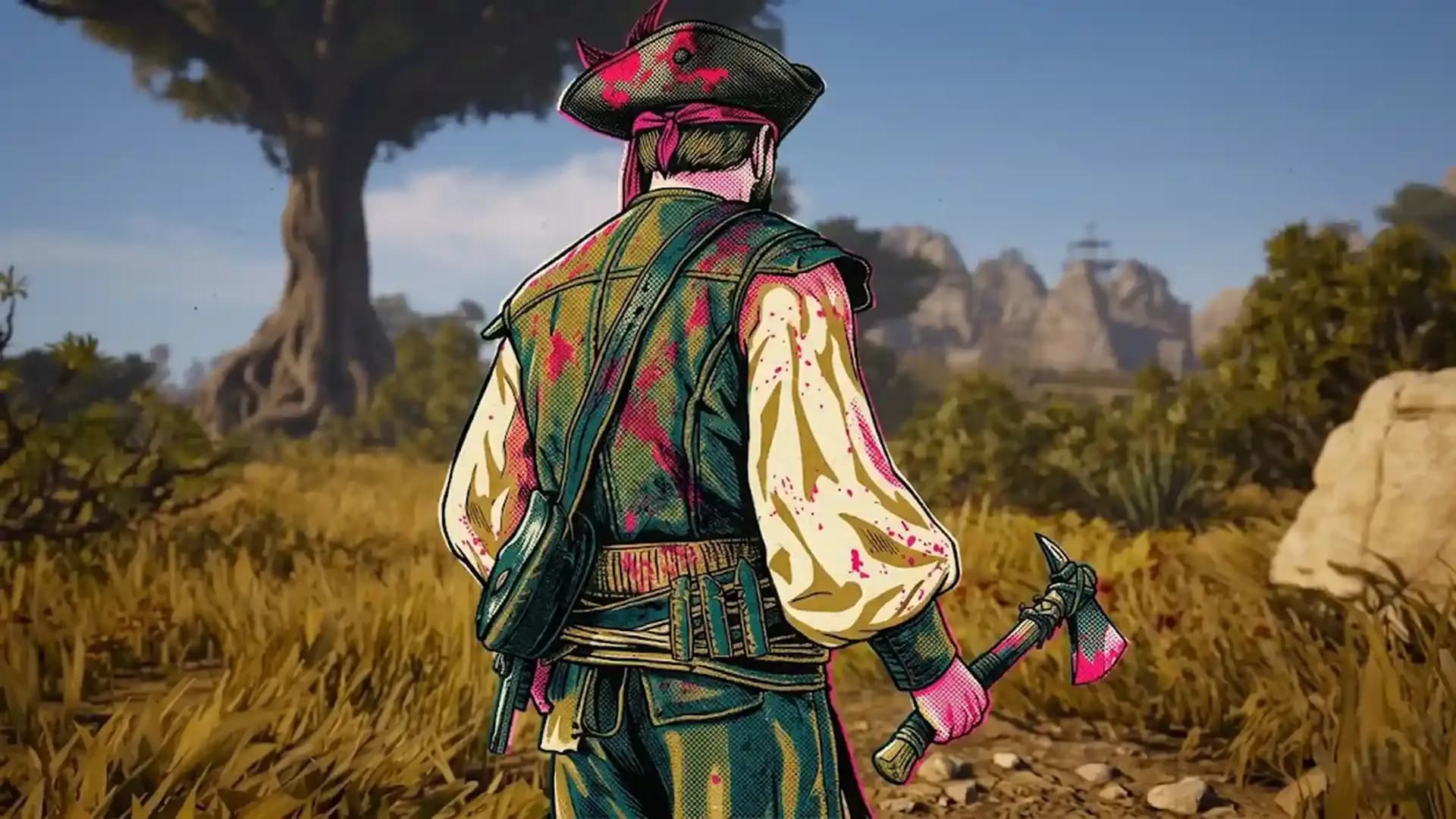
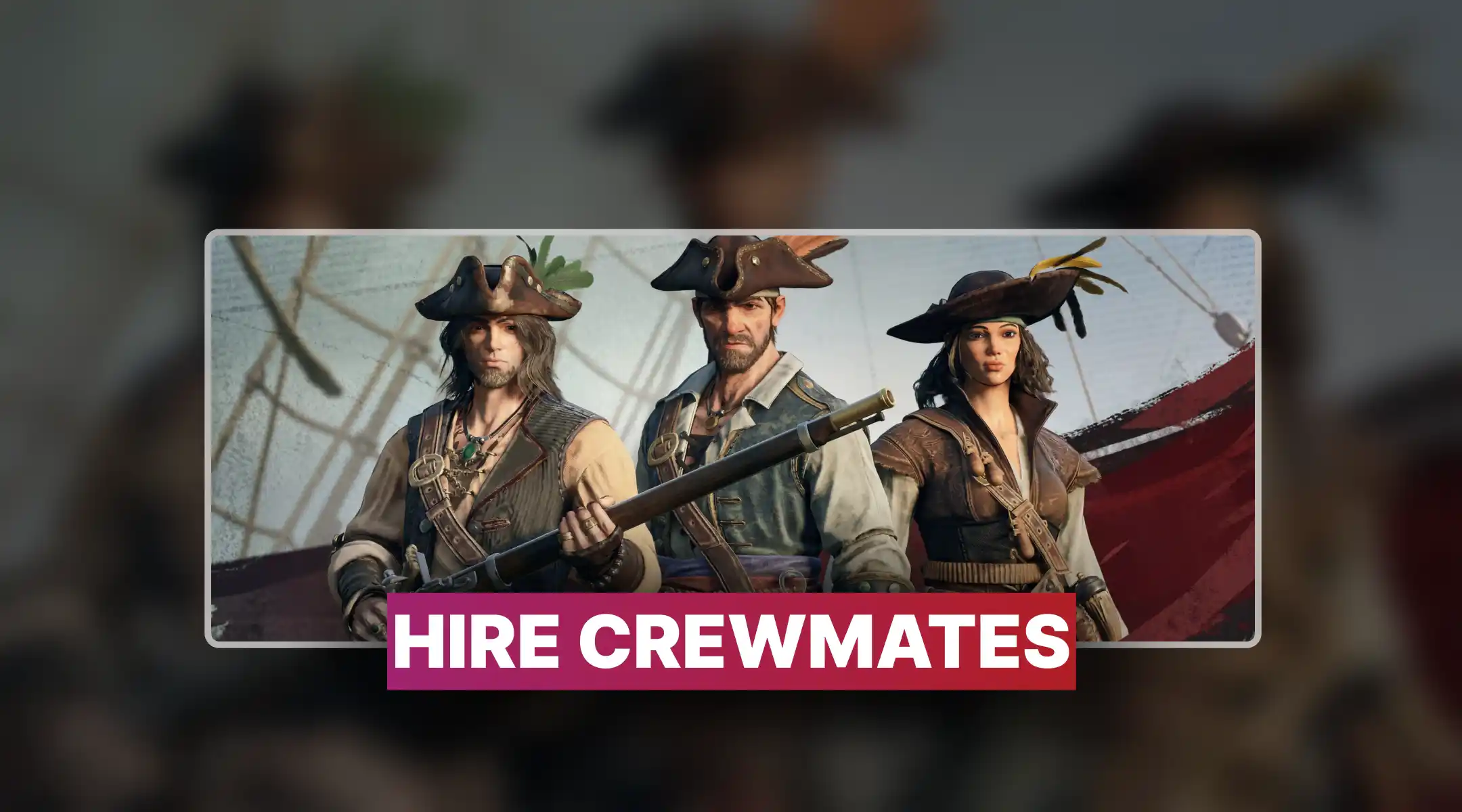



Windrose operates on a progression of pre-built ship types rather than asking you to construct vessels plank by plank. The developers have confirmed that ships are not built from scratch: they come in predefined classes, and your job is to unlock, repair, or acquire them. This is either a reasonable design decision or a convenient way to avoid implementing a full shipwright system. Both things can be true.
|
Ship Class |
Characteristic |
Best Used For |
Honest Assessment |
|
Ketch |
Nimble, fast |
Exploration, scouting, embarrassing retreats |
Fine. You will outgrow it and feel nothing. |
|
Brig |
Versatile, balanced |
Everything adequately, nothing spectacularly |
The Toyota Corolla of pirate ships. |
|
Frigate |
Mighty, heavy |
Naval combat, intimidation, sinking things |
The ship that makes Blackbeard scouts reconsider their life choices. |
The Windrose cutter repair materials approach is the standard early-game route. You repair the wrecked ship using the four materials above, acquire a cutter, and then use it as your primary vessel until you unlock something that can actually win a naval engagement without you frantically calculating whether one cannon shot is enough. It usually isn't.
If your combat ship is destroyed: whether by enemy fire, sailing out of bounds, or your own navigational hubris: do not panic. Build a Wharf at your base. Walk up to it, pay 20 Wood, and press 'K' to respawn the ship fully repaired. The Wharf option is locked until you complete the cannon crafting quest, so prioritize that questline if sea combat is in your near future with a Windrose item boost.
Every island you visit deserves a small, functional base. Not a mansion. Not an architectural statement. Three things: a bonfire, a bed, and a fast travel bell. That is the holy trinity of not dying on an unfamiliar island and losing forty minutes of progress. The Windrose base building guide principle is simple: each outpost is a staging point, not a permanent residence. Your main crafting infrastructure stays home. Out here you just need to respawn somewhere that isn't a corpse on a beach.
A grass hut or tin shack placed near the fast travel bell serves as your respawn point. It comes preset with a bed; set the respawn point immediately upon building it. Then add a bonfire for cooking and shelter bonuses. Add a workbench if you plan to stay long enough to convert plant resources into rough cloth and rope for storage bales. After that, you are self-sufficient enough to do real damage to the local wildlife and cave ecosystem.
Demolish temporary structures when you're done: the game returns your materials. Torches in particular cost only two wood and return that wood when you demolish them. There is no reason to leave spent torches in a cave that is now empty of everything worth mining.

Everything in Windrose eventually arrives at the same conclusion: you need more copper. Windrose copper farming guide veterans will tell you that the resource bottleneck hits hard around the same time you want to build multiple fast travel bells, upgrade your weapons, and make cannon components. All three queues are waiting for copper, and the ore is not exactly growing on trees: it is, however, growing inside caves that are full of enemies who would very much like to kill you after you finished with a Windrose powerleveling boost.
Caves are identifiable by the torch trick: place a floor torch at the entrance and work inward, placing additional torches every few meters. The light changes the entire combat dynamic because you can actually see the drowners before they throw things at you. Yes, they throw things. You will find this out the hard way. The important information is that they die, they carry silver ingots and gunpowder, and the cave behind them is full of copper deposits you have been waiting for since the opening hour of the game.
Smelting copper requires a Charcoal Kiln and a Smelting Furnace. Both require clay, which is found inland near ancient ruins: not on the beach. Use a stone pickaxe to harvest it. Without these two stations, your copper ore is decorative. Build them before you start mining seriously.
Process copper at home. Mining the ore on-site and carrying unprocessed material back is fine for short trips, but once you have enough fast travel bells in place, returning home to smelt is a two-second round trip. There is no reason to set up a full smelting operation on every island when your main base is always a bell-click away.
The upgrade system in Windrose is the part where you stop dying slightly less often. At the upgrade table, you can push your armor and weapons from their base stats to upgraded versions using crafted kit items. Armor reinforcement kits require rough cloth, hide, and nails. Windrose weapon upgrade materials for weapon enhancement kits require copper ingots: which, again, loops back to the cave situation.
Upgrade everything at least once before you engage in serious combat. Each piece of armor gaining damage resistance is not glamorous, but it is the difference between surviving a cave of drowners and respawning at your coastal shack wondering what went wrong. Upgrade in this order: chest piece first for maximum damage reduction, then legs, then hat, then weapons. The saber with a plus-one modifier outputs noticeably more damage and you will feel it immediately in cave encounters.
Food management is equally critical and equally ignored by most players until they are at twelve health standing in front of a level-3 boar. Run three food items simultaneously for maximum health. Boiled crab is reliable. Five units of three different food items: fifteen total: keeps your health ceiling elevated throughout a full exploration run. Eat before combat, not after you have already taken three hits and are now experiencing consequences.
Once you have the cutter operational, the ocean becomes a different place. Blackbeard scouts will start appearing. They were always there; now that you have a ship worth pursuing, they have a reason to pursue you. The Windrose naval combat tips reality of early ship combat is that you have one cannon, the scouts have opinions, and the math does not favor you until you have more of both copper and courage.
Ship-to-ship combat involves positioning, timing, and the kind of strategic thinking that becomes obvious in retrospect after you have already been destroyed twice. Broadside attacks are the primary damage model: position your vessel perpendicular to the enemy and fire. The draft mechanic matters in shallow areas: larger ships run aground in the Bahamas-style shallow channels that scatter the archipelago, and a local who knows the reefs can lure enemies into areas where their ships strand and become stationary targets. Whether you or the enemy is doing the luring depends entirely on who read the map more carefully.
The fast travel bell on your ship is also a potential escape mechanism. If combat is going catastrophically: and it will: you can theoretically fast travel off the ship before it explodes, leaving your loot floating but saving yourself the respawn run. Test this before you need it. Discovering it works while your ship is actively sinking is not ideal timing.
The archipelago is littered with shipwrecks that are not yours to repair into a vessel: they are yours to strip for materials. Windrose shipwreck loot locations exploration is one of the most consistent ways to accumulate nails, which graduate from a repair material into a general crafting ingredient as the game progresses. Nails drop from ship mass, barrels, and boxes scattered across wreck sites. They also drop from the wrecks themselves when you break them down.
Dedicate one storage bin per outpost to priority materials only: nails, undead essence, misty orchids, and any rare drops that don't appear on the home island. Common resources go in the general bin or get carried directly to the fast travel bell for immediate transport. The goal is never to run out of carrying capacity mid-exploration, which happens faster than expected when you are looting every wreck in a two-kilometer radius.
As you loot ships and clear camps, your inventory will fill with items labeled Naval Supplies, Medical Crates, and Contraband. These cannot be opened. They are not loot boxes with a surprise inside. They are Windrose trade goods explained commodities: meant to be sold to traders at dedicated hubs like Tortuga. In the current Alpha demo, the primary trading location is not accessible. This means your contraband is not currency; it is ballast. Store it in a chest at your main Windrose base building boost and consider it an investment in a game system that will eventually pay off when the full release arrives and someone asks you what you did during the Alpha.

Stop sailing in a bathtub. Our Windrose ship guide covers everything: repair materials, fast travel strategy, base setup, and surviving your first nav

Stop sailing in a bathtub. Our Windrose ship guide covers everything: repair materials, fast travel strategy, base setup, and surviving your first nav
Stop sailing in a bathtub. Our Windrose ship guide covers everything: repair materials, fast travel strategy, base setup, and surviving your first nav

Stop sailing in a bathtub. Our Windrose ship guide covers everything: repair materials, fast travel strategy, base setup, and surviving your first nav

Stop sailing in a bathtub. Our Windrose ship guide covers everything: repair materials, fast travel strategy, base setup, and surviving your first nav
Stop sailing in a bathtub. Our Windrose ship guide covers everything: repair materials, fast travel strategy, base setup, and surviving your first nav
Stop sailing in a bathtub. Our Windrose ship guide covers everything: repair materials, fast travel strategy, base setup, and surviving your first nav
Stop sailing in a bathtub. Our Windrose ship guide covers everything: repair materials, fast travel strategy, base setup, and surviving your first nav
Stop sailing in a bathtub. Our Windrose ship guide covers everything: repair materials, fast travel strategy, base setup, and surviving your first nav

Stop sailing in a bathtub. Our Windrose ship guide covers everything: repair materials, fast travel strategy, base setup, and surviving your first nav

100 Wood, 20 Nails, 20 Rough Cloth, and 10 Rope. Bring all four before sailing over. The ship will not negotiate.
Built from 20 lumber and one bell, placed in shallow water. Every new island gets one. Click any bell to teleport between them instantly.
Yes. Build a Wharf at your base (unlocked after the cannon quest), pay 20 Wood, then press K to respawn it fully repaired.
Copper deposits are inside caves. Smelting requires a Charcoal Kiln and Smelting Furnace built from clay mined inland with a stone pickaxe.
Ketch for speed, Brig for versatility, Frigate for heavy combat. Start with the repaired cutter and upgrade when your survival rate justifies the investment.

GTA 6, new seasons, major updates — get ready to dominate from day one