





Diablo 4 Boosting
Diablo 4 Toughness Stat Guide
Step into Torment with an Auradin walk-and-burn loop. Holy Light Aura scales with Attack Speed, and Ceh wolves copy the aura for clean clears D4.
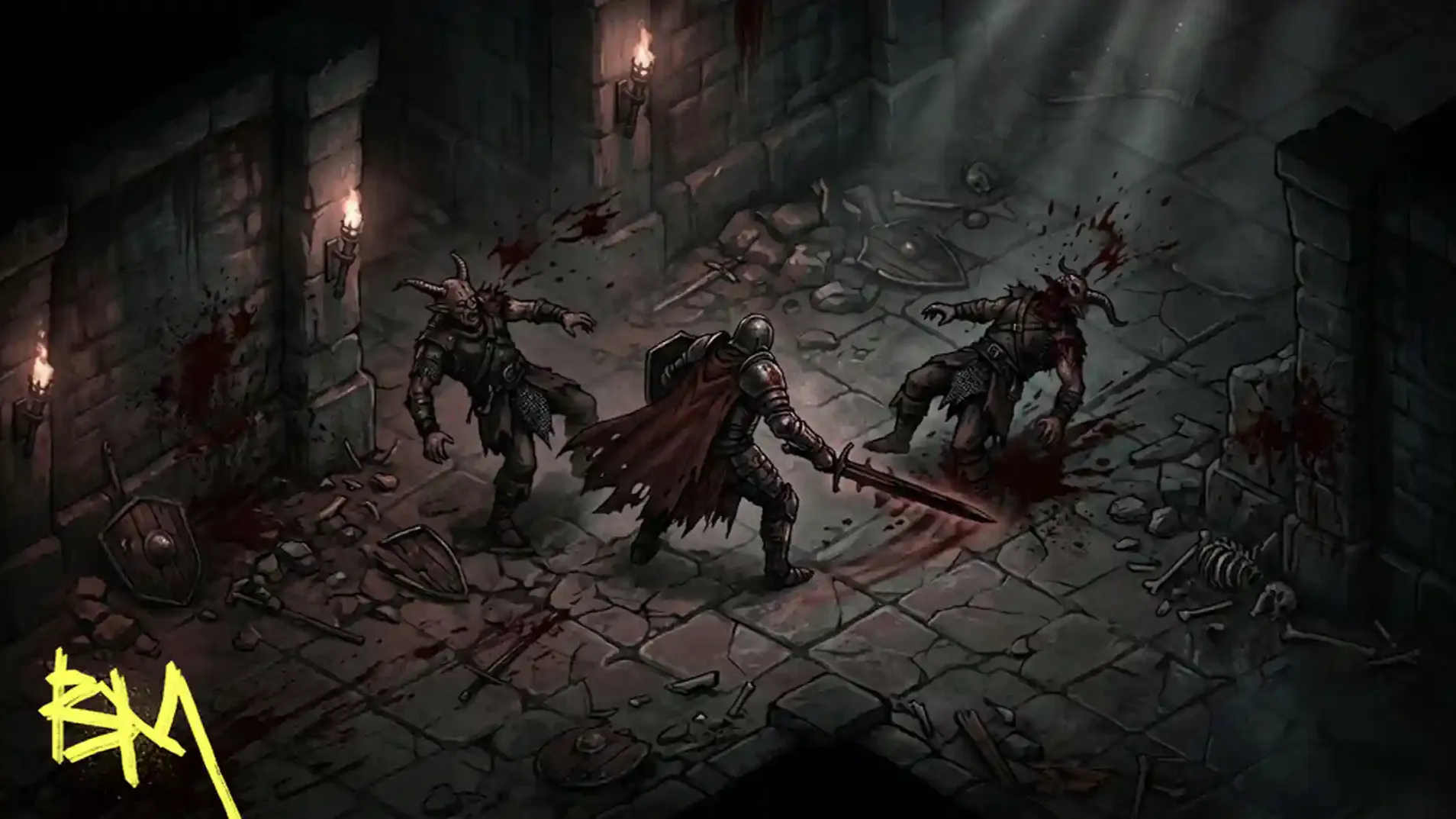
Walking into Torment with an auradin Diablo 4 setup feels like bringing a sunlamp to a graveyard, then acting surprised when the graveyard starts screaming. The Diablo 4 auradin guide idea is simple. Holy Light Aura keeps dealing damage while the Paladin keeps moving, so the dungeon turns into a hallway of regret.
The auradin build lives on lazy cruelty. the character walks, the aura burns, and monsters donate loot with zero ceremony, which feels fair because Sanctuary also gives zero refunds.
Now the run can start, and the sarcasm can begin, because the dungeon already started it first.
If you’re reading this, you might be interested in a discount just for you—my blog reader! Use code CRINGEBLOG to get an amazing discount on any offer in our shop.
The Diablo 4 auradin guide loop is built around Holy Light Aura dealing damage as an aura, then copying that aura through allies, so the screen fills with damage sources that feel “automatic.” This is also why Ceh matters. wolves count as allies, so aura emanation multiplies across the pack, and mercenaries also join that aura web.
Attack Speed sits at the center of this auradin Diablo 4 build, because Holy Light Aura scales linearly with Attack Speed, so stacking Attack Speed keeps raising damage in a direct way. Aura Potency then acts as a direct multiplier on top, and the rotation uses Sundered Night to cast Consecration, then uses that ground zone to raise Aura Potency.
A quick combat panel helps lock the Diablo 4 auradin guide logic into muscle memory, so the run stays clean when the screen turns into bright chaos. The panel below focuses on the auradin mechanics that actually move damage and survival.
| Combat piece | What it does in the fight | What fuels it |
|---|---|---|
| Holy Light Aura | Passive aura damage with an active burst and flash healing while moving | Attack Speed scaling |
| Ceh rune wolves | Adds allies, so Holy Light Aura also emanates from them | Wolf count and uptime |
| Sundered Night | Auto-casts Consecration to keep buffs active | Weapon slot choice |
| Consecration zone | Provides strong Aura Potency while standing inside | Positioning discipline |
| Fanaticism Aura | Boosts Attack Speed and Critical Strike Chance through Aura Potency | Aura uptime |
| Defiance Aura | Boosts Armor and Resistances through Aura Potency | Aura uptime |
| Falling Star and Disciple | Ascend into Arbiter form to keep pressure and movement flow | Cooldown rhythm |
| Rally and Qax | Rally restores Faith, then Qax converts it into a burst window | Faith control |
| Castle node | Damage multiplier linked to Armor value | Armor stacking |
| Dawnfire gloves | Turns the Paladin aura into a fire circle with Holy Light Aura scaling | +Ranks and Aura Potency |
That is the whole auradin Diablo 4 engine. aura damage gets scaled by Attack Speed, then multiplied by Aura Potency, then copied through allies, while Armor and Paragon nodes keep the body standing.



The auradin Diablo 4 build comes in variants that change how “hands-on” the run feels, so the same core can fit a chill farm or a push session. The selection below follows the Season 11 variant set.
Variant choice is basically a contract with pain. speed signs the contract fast, push reads it slowly, and 0 Buttons laughs while the dungeon pays the bill.
Skill assignment in a Diablo 4 auradin guide should stay stable across variants, because the core engine stays the same, and the swap points are usually one mobility slot or one utility slot. The mapping below follows the key bar shown for Season 11 Auradin. Holy Light Aura, Falling Star, Fanaticism Aura, Defiance Aura, Advance, Rally.
| Slot | Skill | Purpose inside the run |
|---|---|---|
| 1 | Holy Light Aura | Aura damage baseline with an active burst and flash healing during movement |
| 2 | Falling Star | Arbiter entry tool that keeps sustain and pacing stable |
| 3 | Fanaticism Aura | Attack Speed and critical support through Aura Potency |
| 4 | Defiance Aura | Armor and resistance support through Aura Potency |
| 5 | Advance with Flash of the Blade | Mobility tool used to stay inside the motion loop |
| 6 | Rally | Faith restore that also controls Qax burst timing |
Hotbar work is simple, which is great, because the auradin Diablo 4 fantasy is “walk and burn,” and the game supplies the screams as background music.
Gear is where the Diablo 4 auradin guide becomes real, because the aura engine needs key uniques and aspects to stay smooth, and then it needs Attack Speed, Armor, and key utility rolls to keep the loop stable. The equipment panel below mirrors the core loadout shown for Season 11 Auradin.
| Slot | Item or power |
|---|---|
| Helm | Heir of Perdition |
| Chest | Shroud of False Death |
| Gloves | Dawnfire |
| Pants | Aspect of the Indomitable |
| Boots | March of the Stalwart Soul |
| Amulet | Aspect of Celestial Strife |
| Ring | Aspect of Ascension |
| Ring | Aspect of Holy Punishment |
| Weapon | Sundered Night |
| Offhand | Leave slot empty |
Gear rules inside an auradin Diablo 4 build stay brutally honest. the aura scales with Attack Speed, Castle scales with Armor, and the dungeon scales with your willingness to keep moving even when the screen turns into a bright mess.
Runes and utility rolls decide how “automatic” the Diablo 4 auradin guide feels, because wolves add allies, Qax turns Faith into a burst window, and a Vulnerable roll makes damage consistency stop playing games.
That small panel is where the sadism lives, because the build turns demon packs into test dummies, and then asks them to provide vulnerability on demand.
Consumables matter for the auradin Diablo 4 build because Attack Speed directly raises Holy Light Aura output, and Armor feeds Castle, so these buffs push the core stats in a clean direction. The consumable selection below mirrors the listed picks and the expanded notes.
Once buffs are active, the dungeon becomes a treadmill, and the aura becomes the belt grinder, which feels polite in a very impolite way.
Skill tree choices in a Diablo 4 auradin guide focus on supporting aura scaling, then supporting Armor scaling, while leaving space for the core bar to stay clean. The notes below reflect the build logic explicitly described for Season 11.
Tree logic stays harsh and practical. damage comes from the aura engine, so skill points exist to feed that engine, and the rest of the tree can stay as decoration for the afterlife.


Paragon is where the auradin Diablo 4 build stacks long-run power, because Castle uses Armor as an uncapped multiplier, and Preacher scales hard with Attack Speed, which already powers Holy Light Aura.
A clear path keeps the Diablo 4 auradin guide simple during leveling, because glyph leveling order and board order decide how quickly the engine turns on.
– Board order. Starter Board, then Castle, then Relentless, then Beacon, then Preacher
– Glyph priority. Resplendence, then Arbiter, then Spirit, then Judicator, then Challenger
That path supports the play loop where Fanaticism Aura and Defiance Aura refresh cooldowns via Resplendence, and the run stays fast while the aura keeps chewing.
Castle is described as an Armor-based multiplier with uncapped behavior, so stacking Armor feeds both defense and damage pressure. Preacher also grows hard with Attack Speed, and the build already stacks Attack Speed because Holy Light Aura scales linearly with it, which makes the synergy painfully clean.
This is the point where the build stops feeling “cute” and starts feeling like a policy decision. the aura keeps working, the Armor keeps scaling, and monsters keep learning the same lesson.
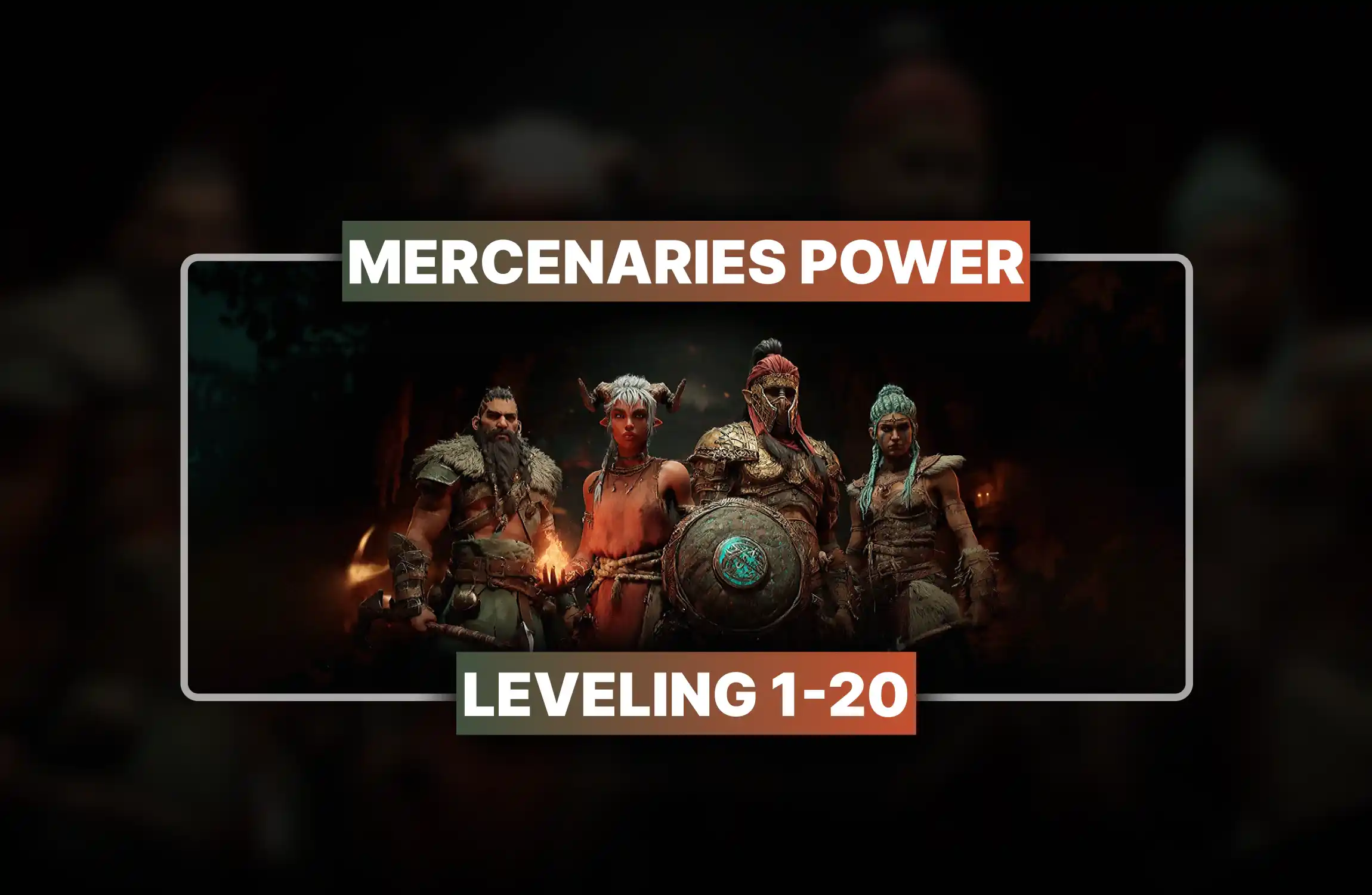
A mercenary pick in auradin Diablo 4 matters for two reasons. ally aura emanation and Armor support for Castle. The listed setup uses Raheir and points out Armor value for the Castle node.
That mercenary block adds more “allies on screen,” and the build happily turns that into more aura sources, because the game engine allows it and demons never filed a complaint.
Inside the Diablo 4 auradin guide flow, the run starts with an aura press, then Arbiter entry, then Consecration uptime, while Rally keeps Faith ready for Qax. The listed rotation explains the order clearly, and it stays simple to execute.
Once that loop is stable, the build becomes a moving hazard sign, and the dungeon becomes a long apology letter written in holy fire.
Gems support the auradin Diablo 4 plan by focusing on the damage types that hit hard in practice, and the notes explain why Ruby, Topaz, and Emerald get used in jewelry, while Diamonds give a smaller resistance value.
This is one of those boring parts that decides survival, which is funny because dying is also boring, just with extra walking.
By the time the auradin Diablo 4 engine is online, Holy Light Aura damage rises with Attack Speed, Aura Potency multiplies that damage through Consecration, and Ceh wolves replicate aura emanation through ally rules, while Castle turns Armor into a damage multiplier that keeps scaling.
The Diablo 4 auradin guide outcome is predictable in the most sadistic way. the Paladin keeps moving, the aura keeps burning, and the dungeon keeps pretending it can fight back.

Step into Torment with an Auradin walk-and-burn loop. Holy Light Aura scales with Attack Speed, and Ceh wolves copy the aura for clean clears D4.
Step into Torment with an Auradin walk-and-burn loop. Holy Light Aura scales with Attack Speed, and Ceh wolves copy the aura for clean clears D4.
Step into Torment with an Auradin walk-and-burn loop. Holy Light Aura scales with Attack Speed, and Ceh wolves copy the aura for clean clears D4.

Step into Torment with an Auradin walk-and-burn loop. Holy Light Aura scales with Attack Speed, and Ceh wolves copy the aura for clean clears D4.

Holy Light Aura deals damage while the Paladin keeps moving, so clearing stays active during pulls and travel, and the run flows without stopping on packs.
Damage scales with Attack Speed in a direct way, so stacking Attack Speed raises aura damage during the full run pace.
Wolves count as allies, so Holy Light Aura also comes from them, which adds extra aura sources on the field during fights.
Aura Potency works like a multiplier, and it grows while standing inside Consecration during the combat rhythm.
Sundered Night auto-casts Consecration, so skill bars stay clean while the ground zone keeps powering Aura Potency.
Rally restores Faith, then Qax spends Faith for a burst window, so timing controls pressure moments in the run.
Variants include 2H Speed and Push, with the same aura core and different pacing goals for the session.
Core items include Heir of Perdition and Dawnfire, with Sundered Night used as the weapon for the loop engine.
Castle scales damage through Armor, and Preacher scales with Attack Speed, so both boards follow the aura scaling plan.
The setup uses Raheir, and it supports ally aura presence plus Armor value for Castle scaling.

GTA 6, new seasons, major updates — get ready to dominate from day one.