TBC Pre-Patch Blood Elf Paladin Leveling Guide 1–60
12 January, 2026

Table of content
TBC Pre-Patch Anniversary Blood Elf Paladin Leveling Guide 1–60
A Blood Elf Paladin starts in a launch-day crush, so the first wins come from logistics – portal or summon, then a paladin trainer, then a mailbox run for bags, enchants, gold, and frog-leg fuel, then a hearth back to keep the quest flow alive. So it's time to fall deeper in the TBC Pre-Patch Anniversary Blood Elf Paladin Leveling Guide 1–60 and learn:
- When does the paladin leave Eversong and commit to Ghostlands?
- What makes the Silvermoon class quest feel worth the detour?
- When does Fiery Weapon stop feeling like a cheat button?
- When does Crusader start to feel like a real power spike?
- When does Consecration start paying for its mana cost?
- What aura fits solo pulls, and what aura fits pack pulls?
- What blessing fits long grinds, and what blessing fits burst kills?
- When should Hammer of Justice get saved for a runner?
- How does the shield swap at level 16 work in a real dungeon pull?
- What Auction House turn-ins give fast quest hand-ins at level 23 and 28?
From that point the leveling loop stays brutally simple – Fiery Weapon carries early damage, Crusader carries late damage, rockets flatten low packs, drift-pulling kills travel time, Retribution pushes to level 16, then a one-hand plus shield swap with Righteous Fury and Righteous Defense turns dungeons into easy XP, while Consecration waits for three targets before it earns the mana.
TBC Pre-Patch Blood Elf Paladin Leveling Guide 1–60 | Start plan
At launch time, the crowd is thick, so the paladin can ask for a mage portal or a warlock summon, then the paladin picks a starting zone that has a paladin trainer, because Okuma is a trainer and Thunder Bluff and Undercity lack that trainer access.
|
Step |
Action |
Why it matters |
|
1 |
Pick a start area with a paladin trainer |
Talent and spell training stays simple and direct |
|
2 |
Run to the nearest mailbox |
Prepared items and consumables unlock early power |
|
3 |
Grab enchants, bags, gold, consumables IcameFromBlog |
Early kills turn into clean chain pulls |
|
4 |
Hearth back to the start area |
Quest flow starts right away |
If you’re reading this, you might be interested in a discount just for you—my blog reader! Use code CRINGEBLOG to get an amazing discount on any offer in our shop.



Low level “AOE cheat” – explosive rockets
Explosive rockets hit hard at low level and hit in AOE, so the paladin can pull a pack, fire the rocket, then watch the pack fall over in one ugly flash.
Weapon enchants – early damage that feels unfair
The paladin enchants the leveling weapon early, because the enchant procs do the work while mana stays stable.
|
Enchant |
Level range plan |
What it does |
Simple note |
|
Fiery Weapon |
1–around 30 |
High proc damage that deletes early mobs |
It can feel like a one-hit swing at the start |
|
Crusader |
Around 30–60 |
Proc heal plus +100 Strength for 15 seconds |
Lower proc rate, then huge burst windows |

Movement tech – “kite into next pull” like a machine
The paladin pulls a target, drifts toward the next target during the fight, then finishes the first kill already in range to tag the next one, so travel gaps shrink and the run stays smooth.
|
Step |
What happens |
What the paladin does |
|
1 |
First target gets pulled |
The paladin drifts toward the next target during swings |
|
2 |
Target reaches execute range |
The paladin lines the camera toward the next tag spot |
|
3 |
Kill lands |
The paladin tags the next target with near-zero walking time |

TBC Pre-Patch Blood Elf Paladin Leveling Guide 1–60 | Talent plan – the Blood Knight core choices
Core rule – Retribution first to level 16
The paladin levels as Retribution to at least level 16 for solo pace, then a respec into Protection or Holy becomes attractive for dungeon farming.
Dungeon tank option at 16 – taunt tools exist
At level 16 the paladin has Righteous Fury and the TBC spell Righteous Defense, which gives taunt power, and low level dungeon tanking works fine even while staying Retribution, as long as the paladin brings a one-hand weapon and a shield.
Holy note – group or dungeon focus
Holy is described as a poor open world solo choice, and it fits a duo plan or a full dungeon grind plan.
Consecration – default learned in pre-patch
Consecration is learned by default in the pre-patch, so Protection and Retribution both gain access without special talent gating.
|
Level moment |
Main goal |
Spec choice that fits |
|
1–16 |
Solo leveling pace |
Retribution focus |
|
16–60 |
Dungeon farming focus |
Protection or Holy respec option, based on role |
|
16–60 |
Mixed solo plus dungeons |
Retribution stays usable, shield swap covers tank duty |

TBC Pre-Patch Blood Elf Paladin Leveling Guide 1–60 | Zone route – the key early swap that prints gear
Level 11–12 – Silvermoon class quest, then Ghostlands
Before Ghostlands, the paladin goes to Silvermoon City and starts the paladin quest chain that leads to Redemption, which helps group play, then the paladin moves into Ghostlands at level 12.
Level 12–20 – Ghostlands full clear
Ghostlands supports a long stay up to level 20, quests grant green upgrades, and the end reward includes a rare weapon, so this bracket becomes a gear funnel for a fresh Blood Knight.

TBC Pre-Patch Blood Elf Paladin Leveling Guide 1–60 | 20–60 – practical zone ladder
For a simple default ladder, the paladin can use this bracket map, then swap zones when quests go green and travel starts to feel slow.
|
Bracket |
Zone option A |
Zone option B |
Zone swap sign |
|
20–30 |
The Barrens |
Stonetalon Mountains |
Quest density drops and travel rises |
|
30–40 |
Stranglethorn Vale |
Desolace |
Kill quests turn sparse |
|
40–50 |
Tanaris |
Feralas |
Mob levels start to outpace rewards |
|
50–58 |
Western Plaguelands |
Un’Goro Crater |
Quest hubs thin out |
|
58–60 |
Eastern Plaguelands |
Winterspring |
The paladin wants clean final quest chains |

TBC Pre-Patch Blood Elf Paladin Leveling Guide 1–60 | Gear rules
The paladin sticks to one weapon type for weapon skill stability, with two-hand swords as a clean Retribution choice, because swapping weapon types forces weapon skill catch-up that slows hit consistency.
The weapon purchase priority stays high, because a weapon increases stats and damage output at the same time.
|
Goal |
Stats |
Common suffix to hunt |
|
Damage focus |
Strength plus Agility |
Of the Tiger |
|
Safer leveling |
Stamina plus Intellect |
Of the Eagle |
|
Dungeon healing |
Intellect plus Spirit |
Of the Owl |

TBC Pre-Patch Blood Elf Paladin Leveling Guide 1–60 | Spell usage rules
Consecration costs too much mana for single target value, then it becomes strong when the paladin fights a pack, with real value at three targets or above.
|
Situation |
Aura |
|
Single target |
Devotion Aura |
|
Two targets or more |
Retribution Aura |
Blessing swaps – mana control first
Blessing of Wisdom supports mana sustain, and it pairs well with Consecration during multi-target leveling, while Blessing of Might pushes kill pace when mana feels stable.
Hammer of Justice is the “pull saver”
If a target can flee and drag extra mobs, Hammer of Justice gets saved for that moment, and Hammer of Justice also gets used on cooldown to reduce incoming damage and reduce healing stops.
stun plus Seal of Command
Retribution pairs Hammer of Justice with Seal of Command, because Seal of Command or the Judgment hits harder into a stunned target.
Seal and Judgment priority
Before Seal of Command
Seal of Righteousness fits short fights that end fast, and Seal of the Crusader fits longer fights, because its debuff gains value over time, then Seal of Wisdom fits mana stress moments.
|
Fight type |
Seal choice |
Reason |
|
Short, normal mob |
Seal of Righteousness |
Fast damage with low setup |
|
Elite or long fight |
Seal of the Crusader |
Debuff value grows during the fight |
|
Mana stress |
Seal of Wisdom |
Mana control during grind |
Dungeon tanking while Retribution
At level 16, the paladin can tank low dungeons while staying Retribution, by bringing a one-hand weapon and a shield, then keeping Righteous Fury active and using Righteous Defense for taunt control.
|
Slot |
What the paladin equips |
Why it works |
|
Weapon |
One-hand |
Shield access unlocks stable damage intake |
|
Off-hand |
Shield |
Threat and survival both improve |
|
Stance tool |
Righteous Fury |
Tank threat support at low levels |
|
Taunt |
Righteous Defense |
Pull control when mobs stick to healer |
Auction House quest skips – “buy quest XP” moments
|
Level |
Zone |
What gets handed in |
How it works |
|
23 |
“Ashenwell” pages quest |
12 pages |
Pages bought on the auction house allow instant quest completion |
|
28 |
Hillsbrad Foothills |
10 turtle meat plus 1 soothing spice |
Items prepared early allow instant hand-in, and the spice comes from a vendor |
Micro rules – the obsessive Blood Knight habits that keep pace high
- The paladin buys a weapon upgrade before a chest upgrade when gold is tight, because the weapon increases stats and damage output together.
- The paladin stays on one weapon type during leveling, because weapon skill stability keeps hit rate stable.
- The paladin uses Consecration mainly into packs, then uses Wisdom tools when mana starts to feel thin.
- The paladin uses stun windows to prevent flee pulls and to reduce incoming damage, then pushes burst during that stun.
Conclusion
The Blood Elf Paladin levels clean by pushing Retribution early, then using a simple shield swap for dungeon control when the run wants group XP. Ghostlands carries the early gear story, and the rest of the climb stays steady with smart seals and calm mana use.
Table of content

Blood Elf Paladin leveling 1–60 in TBC pre-patch with Ghostlands route enchants, seals, solo flow and a level 16 shield swap for dungeon tanking.
21 November, 2025

Blood Elf Paladin leveling 1–60 in TBC pre-patch with Ghostlands route enchants, seals, solo flow and a level 16 shield swap for dungeon tanking.
12 January, 2026

Blood Elf Paladin leveling 1–60 in TBC pre-patch with Ghostlands route enchants, seals, solo flow and a level 16 shield swap for dungeon tanking.
12 January, 2026
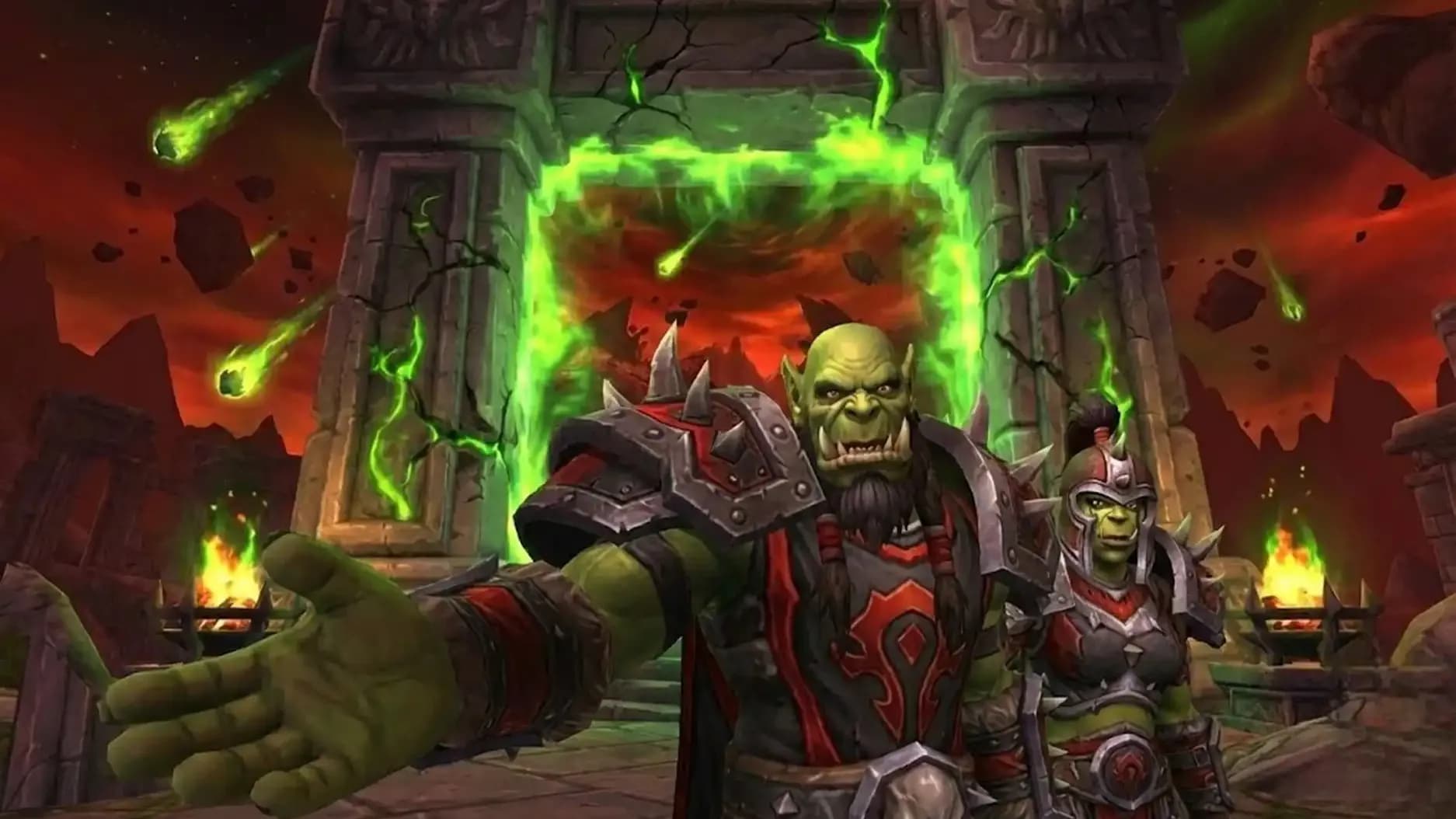
Blood Elf Paladin leveling 1–60 in TBC pre-patch with Ghostlands route enchants, seals, solo flow and a level 16 shield swap for dungeon tanking.
12 January, 2026
TBC Pre-Patch Blood Elf Paladin Leveling Guide 1–60 FAQ
When should the paladin stay Retribution, and when should respec happen?
The paladin stays Retribution until level 16, because early solo kills stay smooth, then the paladin can respec for dungeon farming, or keep Retribution and carry a shield for tank pulls.
When does the Ghostlands route start, and when does it end?
The paladin goes Silvermoon for the class quest around level 11, then moves into Ghostlands at level 12, then clears the zone until around level 20 for steady green upgrades and a rare weapon finish.
Which weapon enchant fits early levels, and which fits later levels?
Fiery Weapon fits early levels, then Crusader fits later levels, because Fiery procs feel high at low health pools, while Crusader gives burst Strength plus a small heal during long fights.
When should Consecration be used during leveling?
Consecration fits pack pulls, then the paladin uses it mainly at three targets or more, because mana cost is heavy, and single target swings plus seals give solid value.
How does dungeon tanking work at level 16 while staying Retribution?
At level 16 the paladin can tank low dungeons by equipping a one-hand weapon and shield, keeping Righteous Fury active, and using Righteous Defense to pull mobs off the healer.
What blessing swap keeps the run moving during long grinds?
Blessing of Wisdom supports mana control during long grinds, then Blessing of Might supports damage when mana feels stable, so the paladin swaps based on the pull pace and drink time.